
Long-term roadmap prioritises premium demand, MICE leadership, destination innovation and industry transformation
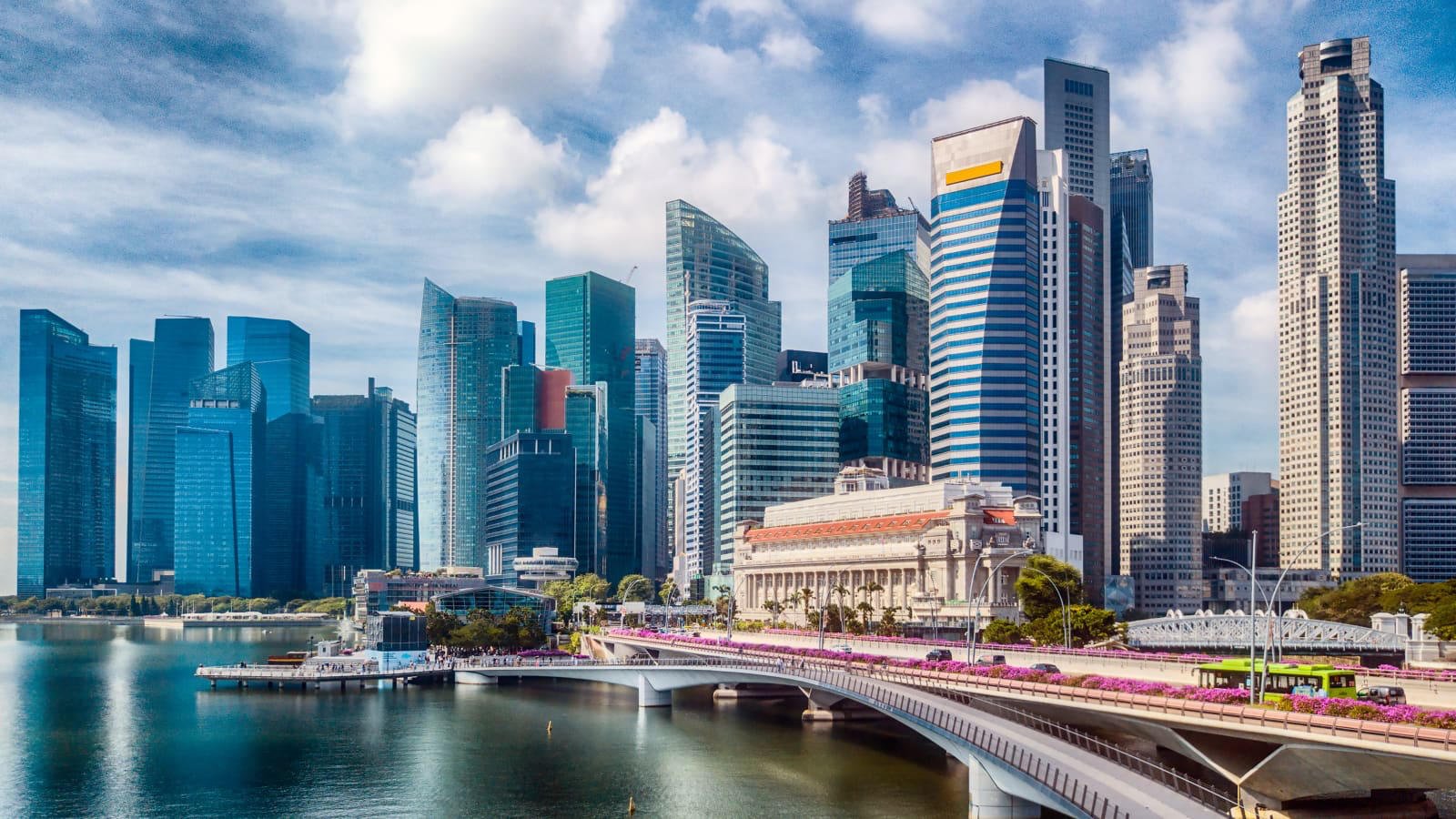
Singapore has outlined an ambitious long-term vision for its visitor economy under the Singapore Tourism Strategy 2040, a roadmap designed to deliver sustainable, high-quality growth while reinforcing the city-state’s standing as a leading global destination for business and leisure travel. The strategy signals a deliberate shift from volume-driven targets to a focus on higher visitor value, enhanced experiences and industry capability development.
Strong Performance Underpins Long-Term Ambitions
Recent tourism performance indicates steady recovery and resilience. Visitor arrivals between January and November 2025 reached 15.5 million, reflecting year-on-year growth, with full-year figures projected to approach pre-pandemic benchmarks. More notably, tourism receipts grew at a faster pace than arrivals, underscoring the emphasis on higher-yield segments.
Average length of stay has stabilised at around 3.5 days, while hotel performance remains robust, with occupancy levels exceeding 80% and new supply entering the market in a controlled manner. Key source markets include Mainland China, Indonesia and Malaysia, with Southeast Asia accounting for a significant share of arrivals. Spending continues to be concentrated in accommodation, attractions, entertainment, gaming, and dining.
A Vision Anchored in Value Creation
Launched as a long-range framework, the Tourism Strategy 2040 positions Singapore as a destination offering distinctive experiences, a vibrant urban environment for residents, and a hub for innovation in sustainable tourism. Financially, the strategy projects tourism receipts reaching between S$47 billion and S$50 billion by 2040, driven primarily by higher per-visitor spend rather than dramatic increases in arrivals.
Pillar One: Capturing High-Potential Demand
MICE as a Growth Engine
Business events tourism remains central to Singapore’s strategy. MICE visitors typically spend significantly more than leisure travellers, and Singapore’s established reputation as a leading meetings destination continues to be leveraged. The roadmap includes securing long-term partnerships with global event organisers, anchoring major international conventions and developing a new large-scale MICE hub in the city centre to accommodate future demand.
Targeted Leisure Segments
The strategy also identifies high-value leisure cohorts including active seniors, families, Gen Z and millennial professionals, and established career travellers seeking curated urban experiences, culture, dining and lifestyle offerings.
Transit Conversion
With Changi Airport Terminal 5 expected to add substantial passenger capacity in the mid-2030s, efforts are being aligned to convert more transit passengers into stopover visitors through tailored short-stay propositions.
Pillar Two: Enhancing Destination Appeal
Singapore’s attractiveness as a lifestyle and experiential destination is being reinforced through a pipeline of new and refreshed attractions. Developments range from themed entertainment zones and nature-based experiences to immersive marine and wildlife attractions. Upcoming projects also include automotive lifestyle experiences and wellness-focused urban attractions, reflecting a diversification of visitor interests.
The hospitality landscape is evolving in parallel. New openings and brand entries span ultra-luxury villa-style resorts, nature-integrated stays and lifestyle-oriented urban hotels. Integrated resort expansions planned before the end of the decade will introduce additional luxury accommodation, upgraded MICE facilities, entertainment venues and expanded dining and retail precincts.
Singapore’s events calendar remains a key differentiator, encompassing major art festivals, global concert tours and international sporting events. Cruise tourism is also being strengthened, with terminal expansion enabling increased homeporting and new cruise products targeting regional and long-haul travellers.
Strategic destination marketing continues through partnerships with global brands, creative talent and digital content platforms to maintain cultural relevance and international visibility.
Pillar Three: Industry Capability and Innovation
Industry transformation forms the third pillar of the strategy. Initiatives are underway to enhance productivity, digital adoption and talent development across the tourism ecosystem. Programmes supporting data analytics, technology adoption and innovation pilots are designed to future-proof the sector, while global platforms are being used to showcase local expertise and creative industries.
A Compact, Connected, High-Impact Model
Singapore’s compact geography and integrated infrastructure continue to be positioned as competitive strengths, enabling visitors to maximise experiences within limited travel time. Discussions around cross-border connectivity, multicultural heritage districts and the city’s role as a regional hub for arts, entertainment and pop culture further reinforce its multifaceted appeal.
Through the Tourism Strategy 2040, Singapore is pursuing a calibrated path — one that balances visitor growth with quality, sustainability and innovation — ensuring that tourism remains both economically impactful and aligned with the city’s broader urban and social development goals.