
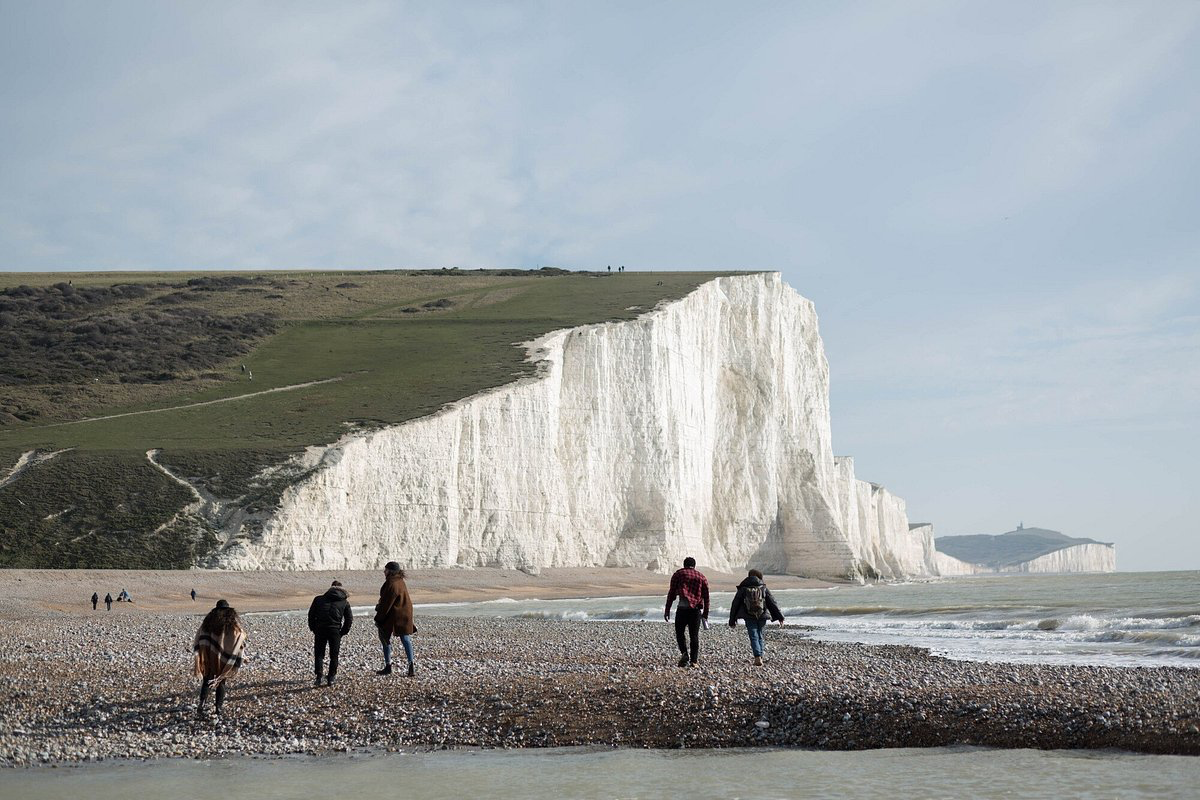
In a significant move to safeguard one of the United Kingdom’s most iconic coastal landscapes, Natural England has officially designated the Seven Sisters Cliffs as England’s newest National Nature Reserve. The announcement recognises the ecological, geological and cultural importance of the site, located within the South Downs National Park, and reinforces ongoing efforts to protect and enhance the country’s natural heritage.
Spanning approximately 1,500 hectares, the newly declared reserve encompasses dramatic chalk cliffs, rolling downland, river valleys and coastal ecosystems, making it one of the most visually striking and environmentally significant landscapes in southern England.
A Landscape Shaped by Millions of Years
The Seven Sisters Cliffs are renowned for their distinctive chalk formations, created over millions of years from the compressed remains of ancient marine organisms. This geological foundation forms part of a vast chalk aquifer system — one of the largest in Britain — which plays a crucial role in supplying clean drinking water to surrounding communities while supporting a range of interconnected ecosystems.
Flowing through the reserve, the Cuckmere River adds to the region’s ecological and scenic value as it meanders through floodplains before meeting the English Channel.
Biodiversity Hotspot with Rare Habitats
The designation highlights the area’s importance as a biodiversity hotspot, supporting globally rare habitats such as chalk grasslands, heathlands and floodplain meadows. These ecosystems provide refuge to a diverse array of species, including the chalkhill blue butterfly, skylark, yellowhammer and bee orchid.
According to Tony Juniper, the reserve represents a “nature-rich landscape” that combines ecological diversity with essential natural resources. He emphasised that the new status will create a more connected and resilient environment for wildlife while strengthening conservation efforts across the region.
Balancing Conservation and Tourism
The Seven Sisters area attracts up to one million visitors annually, making it one of England’s most popular coastal destinations. With its new designation, authorities aim to strike a balance between enhancing public access and carefully managing visitor impact, ensuring the landscape remains protected for future generations.
Mary Creagh described the site as one of England’s most treasured landscapes, highlighting its ecological importance and role in supporting both biodiversity and local communities.
Part of a National Conservation Vision
The reserve forms part of the King’s Series of National Nature Reserves, an initiative supported by Charles III, which aims to create or expand 25 nature reserves by 2028. Seven Sisters becomes the 13th site in this programme, contributing to a growing network that spans approximately 17,000 hectares and benefits communities across the country.
Management of the reserve will be delivered through a collaborative partnership involving organisations such as the National Trust, Forestry England, Sussex Wildlife Trust and the South Downs National Park Authority.
Siôn McGeever highlighted the importance of this partnership in delivering long-term outcomes, including improved biodiversity, cleaner water systems, healthier soils and stronger community engagement.
A Model for Sustainable Tourism
The designation of Seven Sisters as a National Nature Reserve not only secures protection for a landscape of global significance but also positions it as a model for sustainable tourism and conservation-led development. By integrating ecological preservation with visitor experience, the initiative underscores the growing importance of nature-based tourism in shaping the future of travel.