

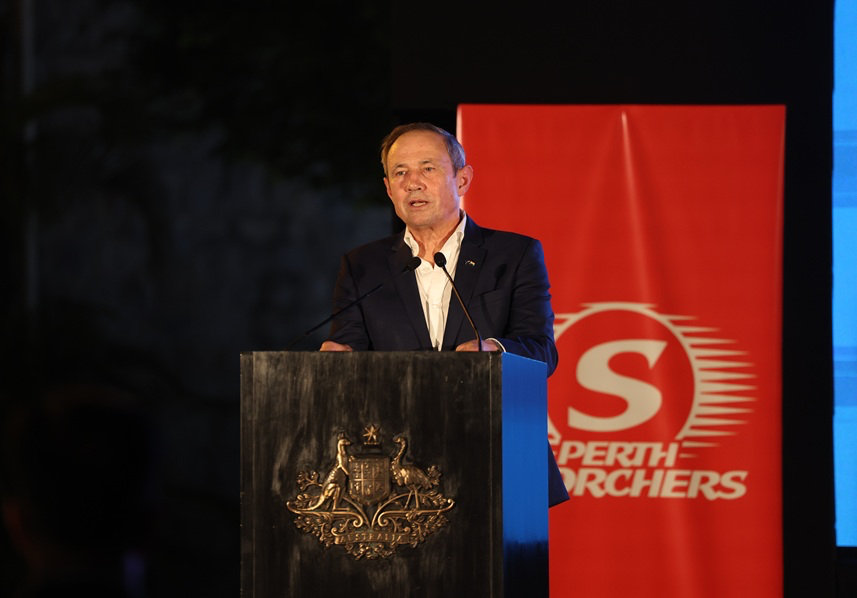
Premier Roger Cook highlights aviation connectivity as a priority during India mission as visitor numbers from the market continue to grow
Western Australia is seeking stronger air connectivity with India as the state looks to expand tourism, trade, investment and education links with one of its key regional markets.
Western Australian Premier and Tourism, Trade and Investment Minister Roger Cook made direct flights between India and Perth a priority during an investment and trade mission to India and Vietnam from September 17 to 25. The state government said meetings with major Indian airlines were planned as part of the mission, with the objective of securing a direct connection between Perth and India.
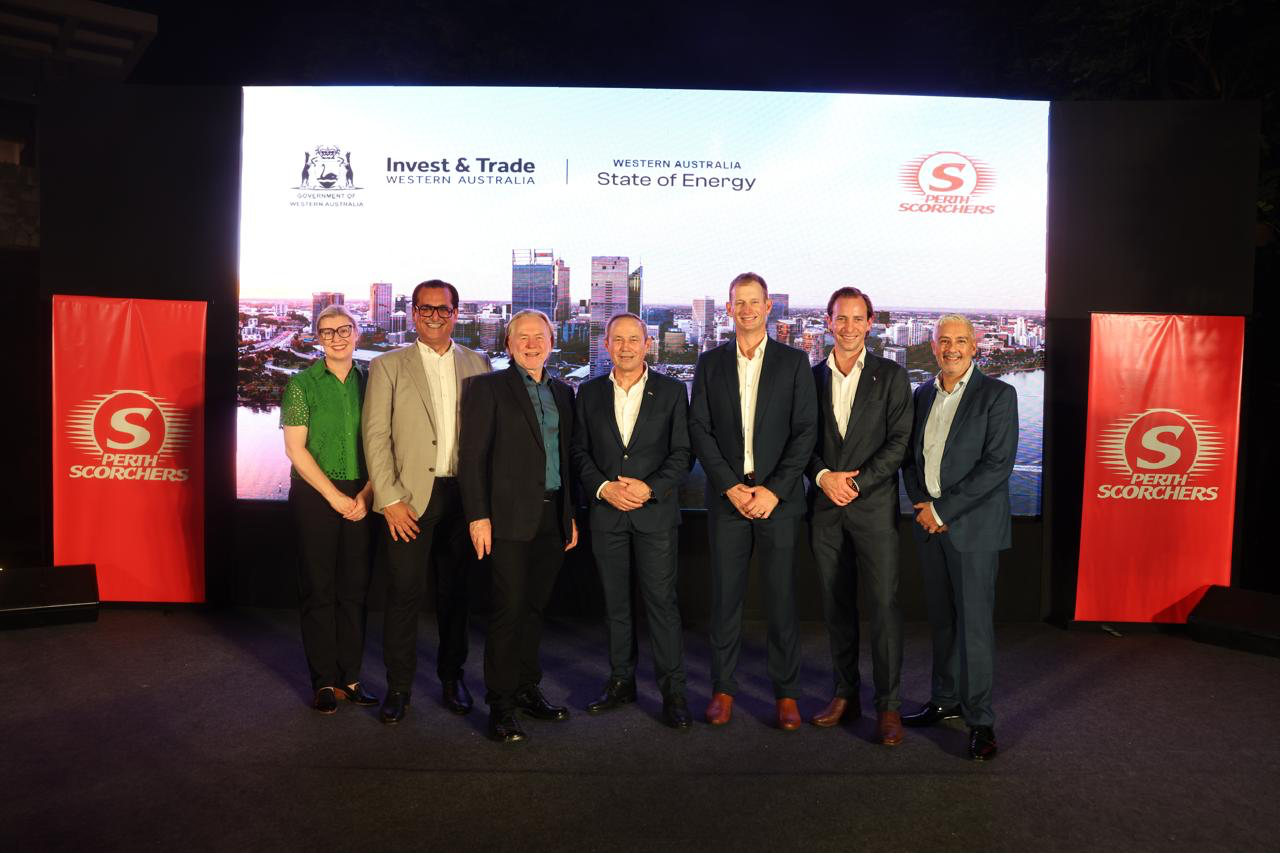
No direct India–Perth service has been announced as a result of the mission. The proposed connectivity remains a government priority and forms part of Western Australia’s broader effort to strengthen links with the Indian market.
India becomes an increasingly important tourism market
India has become an important source market for Western Australia. The state government reported that 50,000 Indian visitors travelled to Western Australia in 2025–26, reflecting continued growth in demand from the market.
Western Australia recorded strong overall tourism performance during the period, with 11 million overnight visitors and $19.2 billion in visitor expenditure. The state also reported a record international visitor total of about 1 million.
Improved international aviation access has been an important part of that growth. Perth is currently connected to 22 international destinations through nonstop services operated by 26 airlines, according to the Western Australian Government.
For India, the state sees a direct Perth connection as an opportunity to reduce travel friction while creating stronger links for leisure, business, education and visiting friends and relatives.
Perth positioned as a gateway to Western Australia
Cook has described Perth’s geographic position as an advantage in developing Western Australia’s relationship with India and the broader Indian Ocean region.
During the India mission, the Premier argued that direct aviation links would support Perth’s ambitions as a western gateway to Australia and strengthen connections between the two economies.
The Western Australian Government has specifically identified direct aviation and tourism links as priorities in its engagement with India and Vietnam, alongside energy, primary industries and workforce development.
The geographic proximity between Perth and India is also being used to support the state’s broader positioning within the Indian Ocean region.
A relationship spanning three decades
The latest push for closer aviation links comes as Western Australia marks 30 years of maintaining a presence in Mumbai.
The state’s current engagement with India extends beyond tourism, covering resources, energy, education, technology, investment and trade. The government describes India as one of Western Australia’s key regional partners and has been using its India mission to identify opportunities for further cooperation.
Tourism is therefore part of a wider economic relationship rather than a standalone initiative.
Education adds another connection
International education is another growing component of the Western Australia–India relationship.
During the September mission, Cook attended the opening of The University of Western Australia’s Mumbai campus, which began operations in September 2026. UWA describes the Mumbai campus as its first international branch campus, with a second Indian campus planned in Chennai.
The Mumbai campus was officially opened on September 18, with UWA saying the university has committed approximately AUD 80 million to its Indian campuses. Chennai is scheduled to follow, expanding the university’s presence in India.
The university’s India expansion covers disciplines including computer science, cybersecurity, data science, artificial intelligence, business and information technology, creating additional links between Indian students and Western Australian institutions.
India is also Western Australia’s largest international student market, with the state government reporting more than 15,000 enrolments in 2025.
Tourism and aviation support wider economic ties
For the tourism industry, improved connectivity could have implications beyond leisure travel.
Direct flights can also facilitate business travel, university connections, visiting friends and relatives, events and investment activity. Western Australia is seeking to use its geographic position and existing economic relationships with India to build a broader visitor and business ecosystem.
The state government’s current tourism strategy is also focused on strengthening international markets while expanding visitor spending across Perth and regional Western Australia.
India’s growing role is particularly relevant as Western Australia looks to diversify its international visitor base and develop markets across the Indian Ocean and Asia-Pacific.
Sport and cultural connections expand
Sport is also being used to strengthen Australia–India engagement.
The Western Australian Government is promoting the Perth Scorchers’ Big Bash League match in Chennai, which is scheduled to be the first BBL match played outside Australia. The event forms part of the state’s broader international engagement programme in India.
Such initiatives provide additional platforms for tourism promotion and people-to-people connections while raising the visibility of Western Australia among Indian audiences.
Direct flights remain the next step
Western Australia’s latest engagement with India demonstrates the increasingly broad relationship between the two markets, spanning tourism, aviation, education, trade, investment and sport.
For tourism, however, direct air connectivity remains a key outstanding objective. The Western Australian Government has made securing a direct India–Perth service a priority and held discussions with Indian airlines during the September mission.
With Indian visitor numbers already reaching 50,000 in 2025–26, the development of direct air links could become an important factor in determining how quickly the market expands further.