

New partnership aims to give smaller travel businesses greater access to research, international networks and policy advocacy as the sector confronts regulatory, financial and digital barriers
Small and medium-sized enterprises are the backbone of the global travel and tourism economy, but many continue to face barriers that can limit their ability to grow, access new markets and compete internationally.
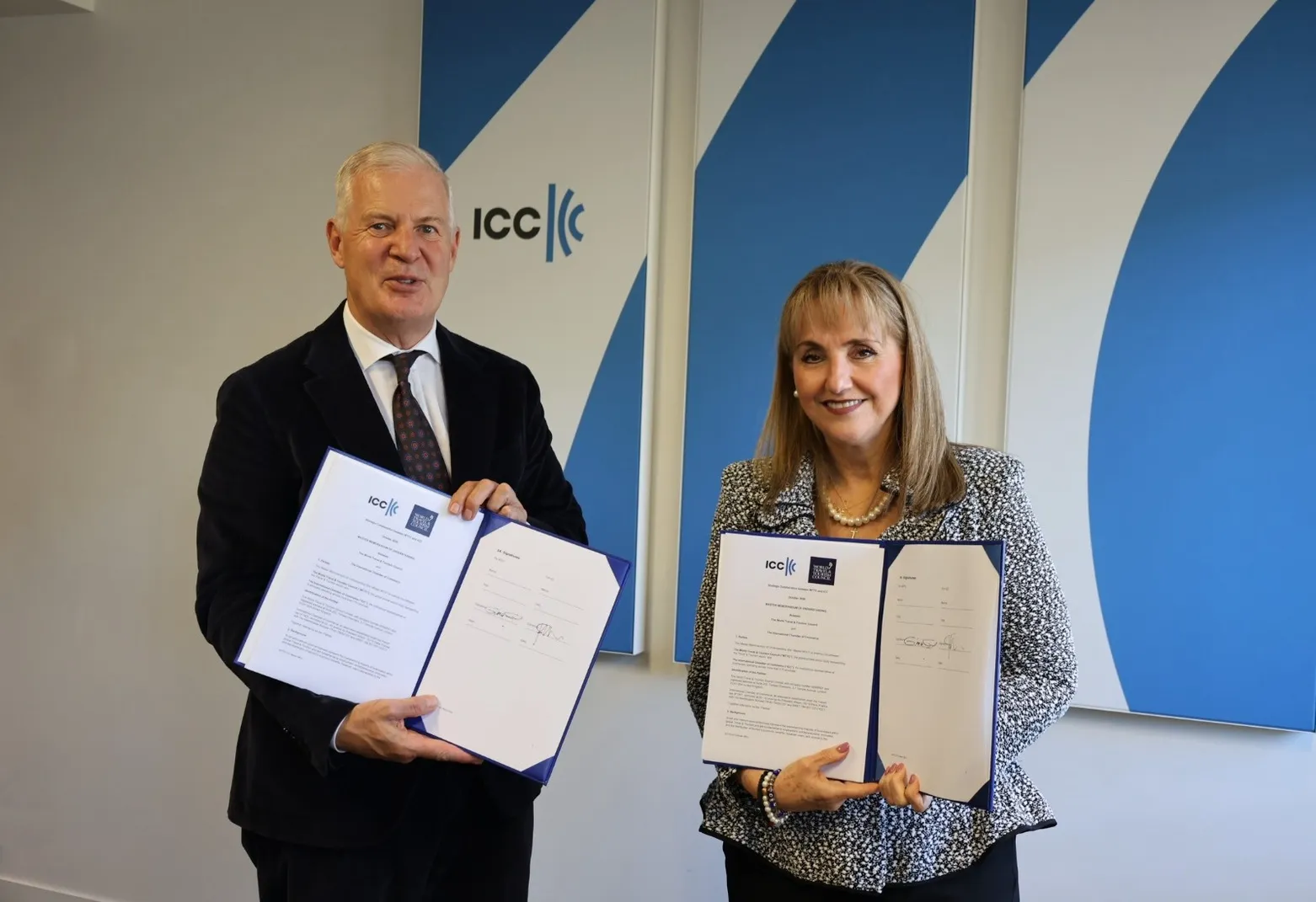
A new partnership between the World Travel & Tourism Council (WTTC) and the International Chamber of Commerce (ICC) aims to address some of those challenges.
The two organisations have signed a Memorandum of Understanding (MOU) establishing a framework for closer collaboration on behalf of travel and tourism SMEs. The agreement will bring together WTTC’s sector-specific research and industry expertise with ICC’s international business network, which represents more than 45 million businesses across more than 170 countries.
The initiative comes as smaller businesses across travel and tourism navigate a complex operating environment, including fragmented regulation, workforce shortages, restricted access to finance and international markets, digital challenges, connectivity issues and visa-related barriers.
Putting SMEs at the centre of the conversation
SMEs account for more than 85% of travel and tourism businesses globally, according to WTTC. Their importance extends well beyond the tourism sector itself, supporting employment, entrepreneurship and economic activity in destinations and local communities.
Hotels, restaurants, travel agencies, tour operators, transport companies, attractions and other locally rooted businesses often form the connection between visitors and the destinations they explore. Yet their smaller scale can also leave them more exposed to changes in regulation, rising operating costs and difficulties accessing technology, investment and international customers.
The WTTC-ICC partnership is intended to give those businesses a stronger collective voice.
Rather than focusing solely on advocacy, the organisations say their collaboration will include practical resources, research, business intelligence and opportunities for SMEs to connect with wider international business networks.
The partnership will also bring together public- and private-sector stakeholders to examine the barriers affecting smaller travel businesses and develop policy recommendations.
From industry research to policy
One of the central elements of the agreement will be the sharing of research and business intelligence.
For policymakers, the objective is to provide a clearer picture of the challenges faced by businesses operating at the smaller end of the travel and tourism sector. For SMEs, the partnership is intended to translate that information into practical tools and opportunities.
The organisations plan to work together on research, business engagement, policy development and knowledge sharing, while creating opportunities to connect travel and tourism companies with ICC’s broader international business community.
The approach reflects a wider shift in the travel industry towards collaboration between business organisations and governments as destinations seek to strengthen competitiveness and sustain tourism growth.
WTTC has identified issues including complex traveller journeys, visa processes, digital identity systems and limited connectivity among the structural challenges affecting the sector’s future growth.
For smaller businesses, such issues can have an immediate commercial impact. A complicated visa process can influence demand; limited air connectivity can restrict access to a destination; and regulatory fragmentation can increase the cost and complexity of operating across borders.
A global network behind the initiative
ICC brings a particularly broad business network to the partnership.
The organisation describes itself as the institutional representative of more than 45 million companies in over 170 countries, with a network that includes businesses ranging from SMEs to large multinational corporations, business associations and local chambers.
That reach gives the initiative a potential connection to businesses well beyond the traditional tourism industry.
For WTTC, the partnership provides an opportunity to bring travel and tourism issues into a wider global business and policy conversation, while ICC can draw on WTTC’s sector-specific expertise and economic research.
Gloria Guevara, President and CEO of WTTC, said SMEs were central to employment, innovation and the distribution of tourism’s economic benefits, while John W. H. Denton AO, Secretary General of ICC, described improving the operating environment for smaller businesses as an economic and strategic priority.
Why smaller businesses matter to global tourism
The significance of SMEs to travel and tourism is perhaps most visible at destination level.
Large international hotel groups, airlines and tourism companies have a substantial role in connecting travellers with destinations. But much of the visitor experience is delivered by smaller businesses — from independent restaurants and local guides to boutique accommodation providers, cultural attractions, specialist tour operators and transport companies.
These businesses can also be among those most closely connected to local communities.
When tourism grows, the economic benefits can therefore extend well beyond the largest companies, provided smaller enterprises have the resources and operating environment necessary to participate.
That makes access to finance, technology, skills, markets and international customers not simply a business concern but an important part of tourism development.
Removing barriers to growth
WTTC and ICC are calling for governments to address regulatory, financial, digital and mobility barriers that can constrain SME growth.
The emphasis is on creating conditions in which smaller businesses can compete more effectively while supporting investment, employment and wider economic development.
The MOU does not establish a single new programme or funding mechanism for SMEs. Instead, it creates a framework for strategic cooperation between the two organisations, with initial activity centred on research, engagement, policy development, knowledge exchange and business connections.
That distinction is important. The immediate significance of the agreement lies in bringing two influential international organisations together around the policy and operating challenges facing smaller travel businesses, rather than announcing a new financial scheme.
A wider test for tourism growth
The partnership arrives at a time when the global travel industry is being reshaped by changing traveller expectations, digital transformation, workforce pressures, sustainability demands and geopolitical uncertainty.
For major companies, adapting to these changes can involve significant investment in technology, market development and international operations. Smaller businesses often have fewer resources to absorb those costs.
Whether the new WTTC-ICC collaboration can translate global advocacy into tangible improvements for those businesses will depend on how effectively research and policy recommendations are converted into action.
For destinations, however, the underlying message is increasingly difficult to ignore: sustainable tourism growth depends not only on attracting more visitors, but also on ensuring that the businesses serving them are equipped to participate in that growth.
With SMEs accounting for the overwhelming majority of travel and tourism businesses, strengthening their competitiveness could ultimately have implications far beyond individual enterprises — influencing jobs, investment, entrepreneurship and the economic resilience of communities around the world.