
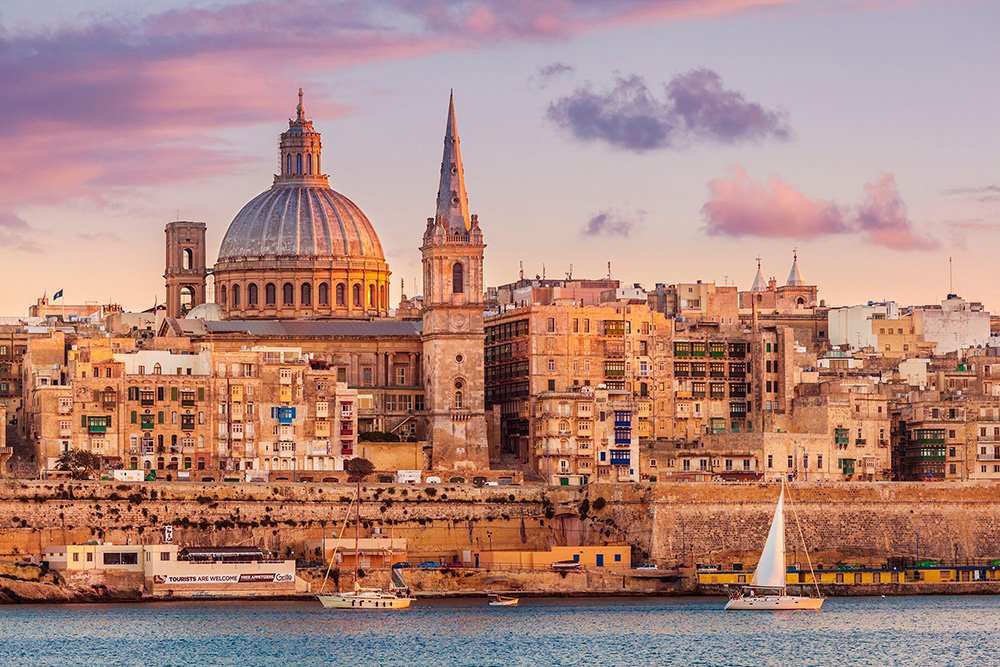
From Valletta’s honey-coloured streets and the quiet lanes of Mdina to prehistoric temples, picturesque fishing villages and crystal-clear waters, Malta offers travellers a rich blend of heritage, gastronomy and island life.
Set in the heart of the Mediterranean, Malta is a destination where centuries of history sit alongside a lively contemporary culture. Its compact size makes it possible to experience fortified cities, archaeological treasures, coastal landscapes and distinctive local cuisine within a single holiday, while the neighbouring islands of Gozo and Comino offer further opportunities to explore.
For visitors seeking more than a traditional beach break, the Maltese Islands combine cultural discovery with outdoor adventure, leisurely dining and a welcoming Mediterranean atmosphere.
Valletta: The capital of culture and history
A visit to Malta often begins in Valletta, the island’s historic capital. Recognised for its architectural heritage, the city is characterised by narrow streets, limestone buildings, ornate churches and traditional enclosed wooden balconies. Its position above the Grand Harbour provides striking views across one of the Mediterranean’s most historically significant waterfronts.
Valletta rewards exploration on foot. Visitors can wander through its streets, discover independent shops and cafés, and visit cultural landmarks that reflect the island’s complex past. St John’s Co-Cathedral is a major highlight, particularly for its richly decorated Baroque interior and Caravaggio’s celebrated painting The Beheading of Saint John the Baptist.
The city’s museums, gardens and waterfront viewpoints provide a varied introduction to Malta’s history, while its restaurants and contemporary cultural venues demonstrate how the capital continues to evolve.
Mdina and the Three Cities: Discovering Malta’s past
Beyond Valletta, the medieval walled city of Mdina offers a quieter perspective on the island. Known as the Silent City, Mdina is distinguished by its narrow lanes, historic palaces, imposing gateways and panoramic views across the countryside. Its atmosphere is particularly appealing in the late afternoon and evening, when the streets become quieter and the limestone architecture takes on warmer hues.
Nearby Rabat adds another dimension to a visit, with historic sites, churches and opportunities to sample Maltese food.
Across the Grand Harbour from Valletta lie the Three Cities—Birgu, Senglea and Cospicua. These historic harbour towns offer a glimpse into Malta’s maritime heritage, with fortified walls, traditional streets, waterfront promenades and historic buildings. Birgu, also known as Vittoriosa, is home to the Inquisitor’s Palace, a significant heritage attraction that explores an important chapter in the island’s religious and social history.
Together, Valletta, Mdina and the Three Cities reveal how Malta’s strategic Mediterranean location has shaped its architecture, identity and cultural traditions over many centuries.
Prehistoric temples and extraordinary heritage
Malta’s history reaches far beyond its medieval streets and Baroque landmarks. The islands are home to prehistoric temple complexes that offer insight into societies that flourished thousands of years ago.
The archaeological sites of Ħaġar Qim and Mnajdra, on Malta’s southern coast, are among the most notable. Their monumental stone structures, carefully arranged spaces and remarkable setting above the sea make them essential stops for travellers interested in archaeology and ancient civilisations.
The sites form part of Malta’s internationally recognised heritage, alongside other important historic and cultural locations across the islands. Visitors can combine a temple visit with time exploring the surrounding countryside and coastline.
For those interested in art and architecture, Malta’s churches, palaces, museums and fortifications provide further opportunities to understand the influences that have shaped the destination—from ancient Mediterranean cultures to the legacy of the Knights of St John.
Blue Grotto and the beauty of the coastline
Malta’s appeal extends well beyond its historic towns. The coastline features rocky inlets, swimming spots, dramatic cliffs, caves and clear blue waters that invite visitors to explore the islands from the sea as well as from land.
The Blue Grotto, near Wied iż-Żurrieq, is among the best-known coastal attractions. Its sea caves and changing shades of blue create a memorable setting, with boat excursions offering a closer view when weather and sea conditions permit.
Elsewhere, visitors can choose from sandy beaches, rocky swimming areas and secluded coves. Boat trips, kayaking, swimming and coastal walks offer different ways to experience the Mediterranean landscape. Malta is also a popular destination for diving, with underwater caves, reefs and wrecks attracting divers of varying experience levels.
The smaller islands add to the appeal. Gozo offers a more rural atmosphere, with countryside, villages and coastal scenery, while Comino is known for its striking turquoise waters and the Blue Lagoon. Visitors should check access arrangements and local conditions before travelling to popular swimming areas.
A destination for food lovers
Maltese cuisine is an essential part of the travel experience. Influenced by neighbouring Sicily and wider Mediterranean and North African traditions, the local food culture combines seasonal produce, seafood, bread, cheese, olive oil and recipes passed down through generations.
Traditional dishes provide an introduction to the islands’ character. Pastizzi—savoury pastries commonly filled with ricotta or a pea mixture—are a popular snack, while Maltese bread, local cheeses and regional specialities offer further opportunities to explore the culinary heritage.
Seafood is a natural feature of island dining. In Marsaxlokk, a traditional fishing village known for its colourful luzzu boats, visitors can enjoy a waterfront setting and restaurants serving fish and other Mediterranean dishes. The village is also a place to experience a more traditional side of coastal life.
Malta’s dining scene extends from casual cafés and family-run establishments to contemporary restaurants and fine-dining venues recognised by the MICHELIN Guide. Local wines and vineyards add another dimension for visitors interested in food and drink, while seasonal ingredients and regional recipes provide a connection between the island’s landscape and its cuisine.
Gozo and Comino: A different pace of island life
A trip to Malta can be complemented by time on Gozo, its neighbouring island known for its countryside, villages, heritage sites and rugged coastline. The island offers a slower pace, making it attractive to visitors seeking walking routes, rural experiences and a break from busier urban areas.
Victoria, Gozo’s main town, is a useful base for exploring local markets and historic attractions, including the fortified Citadel. Across the island, small villages, churches, traditional farmhouses and coastal viewpoints provide a sense of place distinct from Malta’s more urbanised areas.
Comino, by contrast, is best known for its coastal scenery and clear waters. It is a popular destination for day trips, swimming and boat excursions. As visitor numbers can be high at peak times, planning ahead and checking any access requirements can help make the experience more enjoyable.
Where heritage meets contemporary hospitality
Malta’s accommodation options range from historic boutique properties and converted townhouses to luxury hotels, coastal resorts and modern lifestyle stays. Travellers can choose a base according to their priorities, whether that means staying close to Valletta’s cultural attractions, enjoying the nightlife and restaurants of St Julian’s, or seeking a quieter coastal retreat.
The islands also offer a calendar of cultural events, village festas, concerts and festivals throughout the year. These celebrations provide opportunities to experience local traditions, music, food and community life beyond the main sightseeing attractions.
While summer attracts visitors looking for beaches and warm-weather activities, Malta’s combination of heritage, gastronomy and outdoor experiences makes it appealing for cultural breaks and short escapes at other times of year too. Travellers should consider seasonal temperatures, opening hours and event schedules when planning their visit.
Planning a memorable Maltese holiday
Malta’s compact geography allows visitors to combine several experiences in one trip, but a little planning helps make the most of the islands. Valletta and the Three Cities can be explored together, while Mdina and Rabat make a natural pairing. The southern coast combines the Blue Grotto with the prehistoric temples, and separate time can be set aside for Gozo or Comino.
Comfortable walking shoes are useful for historic streets, archaeological sites and uneven coastal paths. Boat excursions depend on weather and sea conditions, and popular restaurants or guided heritage experiences may require advance reservations.
Above all, Malta is a destination best enjoyed by balancing its headline attractions with time to explore at a slower pace: lingering over a local meal, walking through a quiet historic lane, visiting a village market or watching the light change across the harbour.
With its layers of history, distinctive cuisine, dramatic coastline and varied island experiences, Malta offers a compelling Mediterranean holiday for culture seekers, food enthusiasts, outdoor travellers and those simply looking to unwind by the sea.