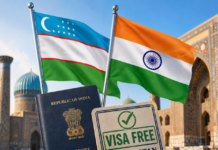

The extension allows eligible Indian passport holders to visit Ireland without a separate Irish visa, provided they hold and have previously used a qualifying UK short-stay visa. The arrangement remains valid until 31 December 2026.
- The programme covers nationals of 21 designated countries, including India.
- Holding a qualifying UK short-stay visa alone is not sufficient. Travellers must first have entered the UK lawfully using that visa.
- A UK Electronic Travel Authorisation (ETA) does not qualify.
- Eligible travellers can stay in Ireland for up to 90 days or until their UK immigration permission expires, whichever comes first.
- UK transit visas and visas issued for marriage or civil partnership purposes are excluded.
- Long-term UK residents with permission exceeding 180 days cannot use the waiver, although eligible nationals may qualify for an exemption from the Irish visa application fee when applying separately.
Ireland has extended its Short-Stay Visa Waiver Programme until 31 December 2026, providing additional flexibility for eligible travellers from India and 20 other countries planning visits to the European destination.
The extension, which came into effect on 29 October 2026, allows qualifying Indian passport holders to travel to Ireland without obtaining a separate Irish visa, provided they meet specific immigration conditions and have already entered the United Kingdom using an eligible UK short-stay visa.
The programme, administered by Ireland’s Immigration Service Delivery under the Department of Justice, Home Affairs and Migration, was previously scheduled to expire on 31 October 2026.
The extension is particularly relevant for Indian travellers planning combined UK and Ireland holidays during the Christmas and New Year travel season, offering an opportunity to include both destinations in a single itinerary without an additional Irish visa application.
21 Nationalities Covered Under the Programme
The Short-Stay Visa Waiver Programme applies to eligible passport holders from 21 designated countries across Europe, Asia, the Middle East and South America.
The participating countries are:
- Europe: Bosnia and Herzegovina, Kosovo, Montenegro, Republic of North Macedonia, Serbia and Türkiye.
- Asia: India, Indonesia, Kazakhstan, China, the Philippines, Thailand, Uzbekistan and Vietnam.
- Middle East: Bahrain, Kuwait, Oman, Qatar and Saudi Arabia.
- South America: Colombia and Peru.
Under the arrangement, eligible travellers can use a qualifying UK short-stay visitor visa or eligible visit/business entry clearance to travel to Ireland without obtaining a separate Irish visa.
However, possession of a valid UK visa alone does not establish eligibility. Travellers must first have entered the UK using that visa and received lawful permission to enter from a UK immigration officer before proceeding to Ireland.
Prior Entry into the UK Is Mandatory
One of the most important conditions of the programme is the requirement for prior lawful entry into the United Kingdom.
Indian nationals holding an eligible UK visitor visa must have completed UK immigration formalities and received permission to enter the country before travelling onwards to Ireland.
Simply holding a UK visa without having used it to enter the country does not qualify a traveller for the waiver.
Similarly, passing through a UK airport in transit without clearing immigration does not fulfil the entry requirement.
Once the traveller has legally entered the UK, they may proceed to Ireland directly or travel to another country before continuing to Ireland, provided their UK immigration permission remains valid.
There is no minimum period that travellers must spend in the UK before travelling to Ireland.
The programme does not cover UK visas issued for transit purposes or for individuals seeking to marry or enter into a civil partnership.
A UK Electronic Travel Authorisation (ETA) is also not an acceptable substitute for a qualifying UK visa under the programme.
Additional restriction: Nationals of Bahrain, Kuwait, Oman, Qatar, Saudi Arabia and Peru are subject to a specific condition. They must hold an eligible UK short-stay visa issued before the introduction of the UK ETA requirement on 1 February 2024. A UK ETA alone does not qualify them.
How Long Can Travellers Stay in Ireland?
Eligible visitors may stay in Ireland for a maximum of 90 days or until their existing UK immigration permission expires, whichever period is shorter.
For example, if a traveller has only 25 days remaining on their UK immigration permission when arriving in Ireland, the permitted stay under the waiver cannot exceed those remaining 25 days.
The final duration of stay is determined by an Irish immigration officer at the port of entry.
Importantly, meeting the programme’s eligibility conditions does not guarantee admission. Travellers must still satisfy Irish border authorities regarding the purpose and circumstances of their visit.
Special Provisions for Long-Term UK Residents
The programme does not extend to eligible nationals who are residing in the UK under long-term immigration permission exceeding 180 days.
Such individuals must apply separately for an appropriate Irish visa before travelling.
However, eligible nationals who are long-term legal residents of the UK may qualify for an exemption from the Irish visa application fee when submitting a separate visa application.
This provision is distinct from the visa waiver itself and does not remove the requirement to obtain an Irish visa.
What Indian Travellers Should Know Before Planning a UK–Ireland Holiday
The extension provides an additional opportunity for Indian holidaymakers to combine visits to the United Kingdom and Ireland, particularly during the winter holiday season.
Travellers can plan itineraries incorporating destinations such as London, Edinburgh and Manchester, followed by visits to Dublin, Galway, Cork and other parts of Ireland, provided they satisfy the waiver’s entry conditions.
However, the sequence of travel is important. Eligible Indian nationals must first enter the UK using their qualifying visa before proceeding to Ireland under the programme.
Travellers should also ensure that their UK immigration permission remains valid throughout their intended Irish visit.
Those planning travel should verify their eligibility and the latest requirements through the official Irish Immigration Service website before booking flights and accommodation.
Implications for Travel Agencies and Tour Operators
The extension offers travel companies and tour operators an opportunity to promote combined UK and Ireland itineraries to eligible Indian travellers.
The waiver can simplify travel planning by removing the need for a separate Irish visa application, provided all programme conditions are met.
For the travel trade, however, accurate communication of the eligibility requirements remains essential. Tour operators should ensure that clients understand the prior UK entry requirement, the permitted duration of stay and the distinction between a UK visitor visa and an Electronic Travel Authorisation.
With the programme now extended until 31 December 2026, eligible travellers have additional time to take advantage of the arrangement.
The extension is particularly relevant to India’s outbound tourism market, where combined European itineraries continue to offer opportunities for travel businesses seeking to develop multi-country holiday experiences.