

Cruise operator Norwegian Cruise Line (NCL) is intensifying its focus on the Indian travel market, leveraging fleet expansion, refreshed brand positioning and strengthened trade collaborations to capture growing demand for international cruising. With a strategic emphasis on fly‑cruise itineraries to destinations such as Europe, the Caribbean and Alaska, NCL is positioning cruise holidays as a flexible, multi‑generational travel option for Indian guests.
The renewed push coincides with increasing global interest in cruising and reflects the company’s broader ambition to deepen engagement with travel partners and consumers in South Asia, amid a competitive international cruise landscape.

New Ships Drive Momentum
Senior Director of Sales Strategy and Operations, Asia Pacific, Damian Borg, said 2025 was a strong year for NCL globally and across the Asia Pacific region, with India emerging as a key contributor. He highlighted the performance of the Norwegian Aqua, part of the Prima‑class series, which surpassed the commercial results of its predecessors — Prima and Viva — following its deployment in the Caribbean. The ship’s expanded deck space, larger cabins and enhanced dining venues have been credited with elevating guest satisfaction and booking performance.
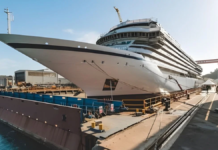
Looking ahead, the next Prima Plus class vessel, Norwegian Luna, will continue this evolution with approximately 500 more berths than earlier Prima‑class ships, catering to increased demand for new experiences. Another sister ship, Norwegian Aura, scheduled for launch in June 2027, is already open for sale and is set to become NCL’s largest vessel to date.
Although Norwegian Aura will accommodate around 3,800 passengers — slightly fewer than some of the larger Breakaway Plus class ships that exceed 4,000 guests — Borg noted that the design prioritises passenger comfort, expansive recreational areas and diverse onboard experiences over sheer capacity.
Across the broader fleet, including sister brands such as Regent and Oceania, 17 ships are currently on order, signalling a long‑term commitment to fleet growth and innovation. Further ship classes planned from 2030 onwards are expected to introduce additional design enhancements and guest amenities.
Global Deployment with an Indian Focus
While the Caribbean remains a core deployment region due to its scale and established demand base, NCL plans greater regional diversity as its fleet expands. The company’s strategy includes repositioning ships from Europe to Miami for Caribbean seasons and exploring enhanced deployment opportunities in the Asia Pacific as market conditions evolve.
Borg reported strong interest from Indian travellers in European itineraries, particularly in the Mediterranean and Northern Europe, with Alaska also emerging as a sought‑after destination. Notably, interest in Caribbean sailings has grown, especially for shorter three‑ to four‑night cruises that offer accessible international experiences following the pandemic recovery.
Despite local demand for shorter sailings closer to India, Borg noted that NCL’s global model centres on international fly‑cruise experiences, tailored to travellers with longer vacation windows and a willingness to explore beyond regional waters. He emphasised that NCL’s fly‑cruise strategy encourages travel agents to present cruise options alongside traditional long‑haul destinations such as the U.S. and Europe, thereby positioning cruising as a compelling alternative for global travel.
Multi‑Generational Travel and Demographic Trends
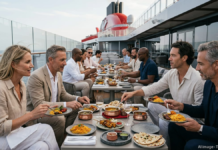
NCL’s offerings resonate strongly with multi‑generational travel groups, with families appreciating the convenience and variety that cruise holidays provide. Additionally, the 60‑plus age segment has emerged as a key contributor to demand, driven by preference for premium experiences, destination variety and longer holiday durations.
Brand Refresh and Market Positioning
A central element of NCL’s India strategy is a refreshed global brand platform, “It’s Different Out Here,” which replaces the previous More campaign. The new messaging seeks to return to NCL’s roots of freestyle cruising — emphasising choice, casual onboard environments, flexible dining times, port‑intensive itineraries and longer time ashore in destination ports.
Borg explained that earlier value‑driven messaging had blurred the clarity of what distinguishes NCL, prompting a shift back to a platform that articulates the brand’s core differentiators. The refreshed identity includes a softer visual palette, a revamped website with improved functionality, and upcoming AI‑driven features to enhance customer engagement and trip planning. Early feedback from travel partners indicates improved digital engagement and stronger lead generation.
Trade Partnerships and Agents at the Core
Trade partnerships remain foundational to NCL’s India strategy, with approximately 80 per cent of bookings generated through travel agents and 20 per cent via direct channels. Recognising the importance of agents, NCL has made structural changes to incentivise the trade, including the removal of non‑commissionable fares (NCFs) and converting those earnings into commissionable revenue, providing agents with improved margin potential.
Borg outlined efforts to engage more deeply with sub‑agents through webinars, training programmes and enhanced communication, with the objective of increasing product knowledge and sales confidence within the broader travel distribution ecosystem.
Product, Itineraries and Consumer Appeal
While new ships attract attention, Borg stressed that NCL’s existing fleet remains a valuable part of the overall offering, with many vessels recently refurbished to ensure consistency in design, service and onboard experience. He noted that Indian travellers often show a preference for newer ships, but that well‑executed experiences on older ships continue to drive positive guest satisfaction and repeat bookings.
For the 2026–27 season, NCL has introduced shorter, seven‑day European itineraries designed to align with Indian travel patterns, featuring port‑intensive schedules with minimal sea days and extended time ashore. These itineraries have generated strong interest, particularly for departures in the popular shoulder months of September and October.
Long‑Term Outlook
With its growing global fleet and renewed strategic focus on India, NCL is positioning itself to capture a larger share of Indian outbound cruise demand. The expansion of Prima Plus and successor ship classes, a sharpened brand identity, and deepened travel trade engagement together signal a long‑term commitment to the market. As cruise interest continues to evolve, NCL’s strategic investments and product innovations aim to make cruising a compelling choice for Indian travellers seeking global exploration.