

Spanish Hospitality Giant Cites Geopolitical, Economic and Operational Factors as It Ends Management and Brand Agreements Across Multiple Properties in Cuba
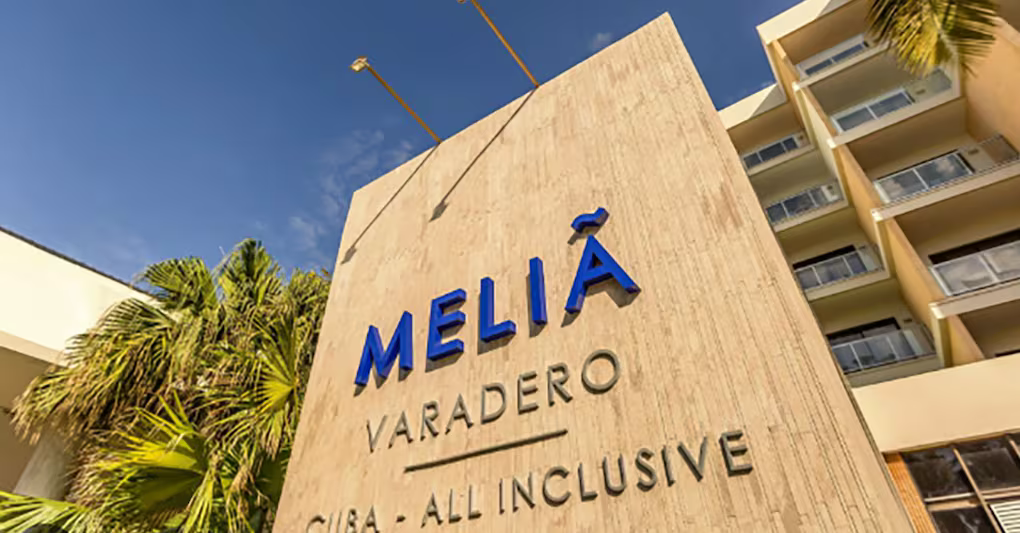
Meliá Hotels International has announced the immediate termination of management, commercialisation and brand licensing services for 15 hotels in Cuba, marking a significant development for the Caribbean tourism sector. The Spanish hotel group said the decision follows an extensive review of geopolitical, legal, economic and operational conditions in the destination, while emphasizing that the financial impact on the company is expected to remain limited due to the current operational status of many affected properties.
Meliá Restructures Cuban Operations
In a move that underscores the growing challenges facing Cuba’s tourism industry, Meliá Hotels International has confirmed the immediate cessation of management services, commercial operations support and brand licensing agreements for 15 hotels across the island nation.
The decision was initially communicated to hotel ownership entities on May 26 and has now been formally implemented as part of the company’s ongoing assessment of business risks and operational sustainability in international markets.
According to the Spain-based hospitality group, the measure reflects the need to maintain a stable and responsible operating framework while responding to changing external conditions that have increasingly affected the company’s ability to deliver services in line with its global standards.
The company stated that a combination of geopolitical developments, economic pressures, legal considerations and social factors had materially altered the environment in which the hotels operate.
Fifteen Properties Affected Across Key Cuban Destinations
The hotels impacted by the decision span several of Cuba’s most prominent tourism destinations, including Havana, Varadero, Cayo Santa María, Cayo Coco and Holguín.
The affected properties include:
- Gran Hotel Bristol Habana Vieja Member of The Meliá Collection
- INNSiDE Catedral Habana
- Meliá Buena Vista
- Meliá Cayo Santa María
- Meliá Jardines del Rey
- Meliá Las Dunas
- Meliá Península Varadero
- Paradisus Los Cayos
- Paradisus Princesa Mar
- Paradisus Río de Oro
- Paradisus Varadero
- Sol Caribe Beach
- Sol Cayo Santa María
- Sol Río de Luna y Mares
- Sol Varadero Beach
These hotels represent a mix of luxury, premium and leisure-focused resorts that have historically played an important role in Cuba’s international tourism offering.
Energy Constraints and Weaker Tourism Demand Impact Market
Meliá indicated that the overall business impact of the withdrawal is expected to be relatively limited because many of the affected hotels are currently non-operational or operating under significant constraints.
Cuba’s tourism sector has faced a series of challenges in recent years, including energy shortages, infrastructure limitations, reduced international visitor arrivals and broader economic difficulties. These factors have affected hotel occupancy levels and operational efficiency across several regions of the country.
Industry analysts note that Cuba continues to experience slower tourism recovery compared to several competing Caribbean destinations, despite ongoing efforts to attract international travellers and increase air connectivity.
The withdrawal of management services by one of the island’s most prominent international hotel operators highlights the difficulties global hospitality companies face when balancing market opportunities against operational and regulatory risks.
Commitment to Responsible Business Practices
In its official statement, Meliá emphasized that the decision aligns with its commitment to responsible corporate governance and maintaining high operational standards across its global portfolio.
The company stated that the action was necessary to ensure that its operations remain consistent with the standards, obligations and responsibilities expected by stakeholders, partners and customers worldwide.
Meliá noted that the decision was driven by circumstances largely beyond its direct control and forms part of a broader risk management process aimed at safeguarding long-term business sustainability.
Structured Transition and Stakeholder Engagement
To manage the transition effectively, the company has initiated a structured disengagement plan designed to minimise disruption to stakeholders.
Specific communication protocols are being implemented to keep suppliers, business partners, customers and other stakeholders informed throughout the process. The company said it remains committed to maintaining transparency while ensuring an orderly withdrawal from the affected management agreements.
Meliá also expressed appreciation for the support and understanding of its partners and customers during the transition period.
Implications for Cuba’s Tourism Industry
The development comes at a time when Cuba’s tourism industry is seeking to rebuild international demand and attract greater foreign investment into its hospitality sector.
International hotel brands have long played a central role in supporting Cuba’s tourism infrastructure, helping to market the destination globally and maintain service standards that appeal to international travellers.
While Meliá remains one of the most recognised hospitality brands associated with Cuba, the withdrawal from these specific properties may prompt broader discussions within the industry regarding operational sustainability, investment conditions and the future role of international operators in the destination.
The company has indicated that it will continue monitoring developments in Cuba and reassess potential opportunities in the market should conditions evolve favorably in the future.
For now, the decision represents one of the most significant adjustments to an international hotel operator’s presence in Cuba in recent years and reflects the ongoing transformation of the Caribbean tourism landscape amid changing economic and geopolitical realities.