
From finding direct routes and choosing the right aircraft seat to organising complex itineraries and making the most of airline miles, these digital tools can make frequent flying considerably easier.
For frequent flyers, booking a flight is only the beginning. The details that come afterwards—from knowing which aircraft is operating the route to finding the best seat, planning connections and keeping track of multiple bookings—can make a significant difference to the overall journey.
A growing number of specialist websites now cater specifically to travellers who want to go beyond simply searching for the cheapest ticket. Whether the priority is a particular seat, a scenic approach to an airport or getting more value from loyalty points, the right tool can make trip planning more efficient.
Here are some of the websites worth knowing.
Flight Connections: Plan Around the Route
Sometimes the destination is less important than finding a convenient direct flight.
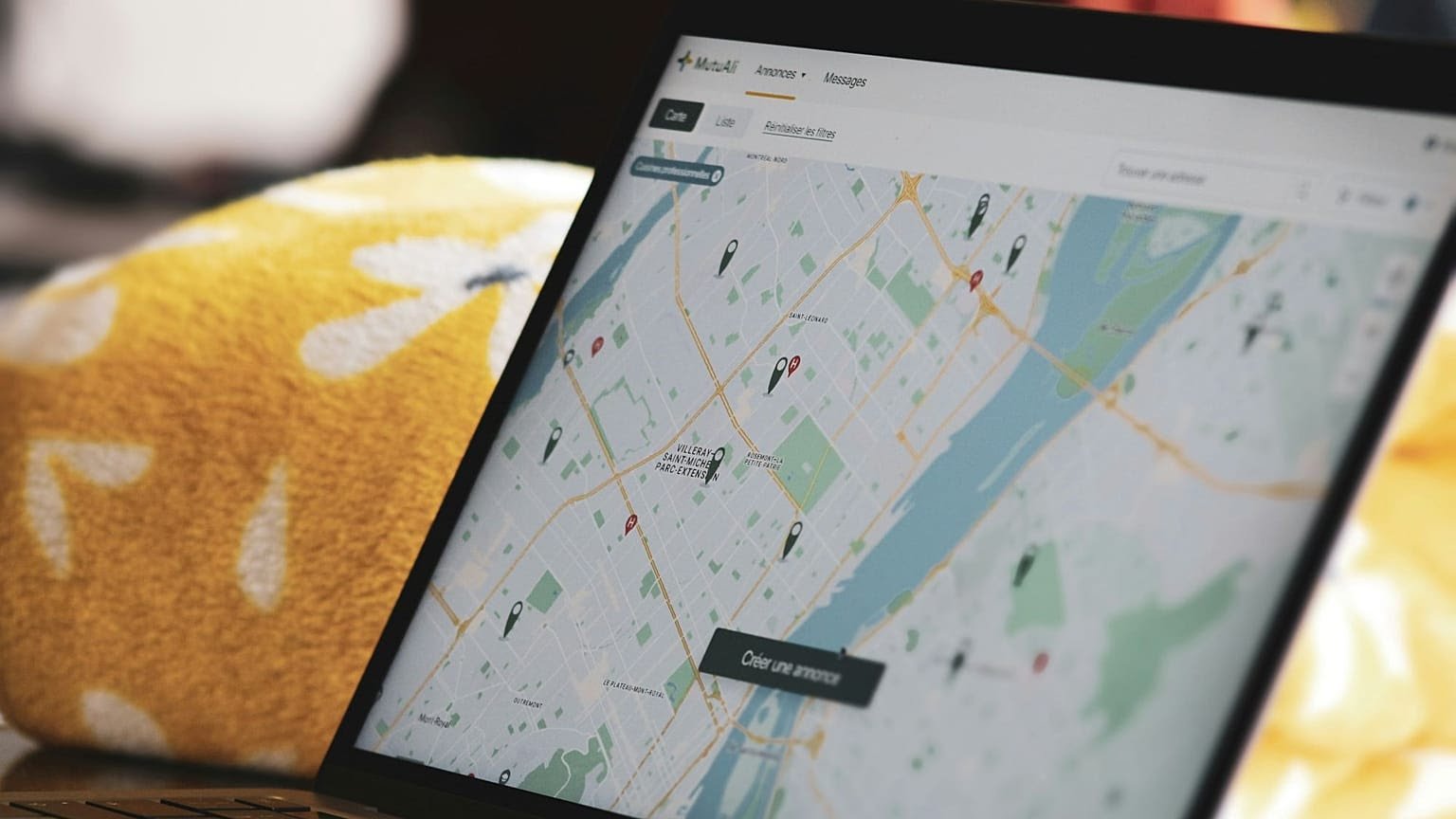
Flight Connections is useful for travellers who want to see where they can fly nonstop from a particular airport. Its interactive map displays international airports and direct routes, allowing users to explore possible destinations from their home base.
The site can also be useful for more complex itineraries, particularly when travellers are combining several cities or looking at alternative airports for the return journey.
The basic service is free, while a premium subscription provides additional information, including details on route affordability. Once a promising route has been identified, travellers can compare fares through mainstream flight-search platforms.
AeroLOPA: Choose Your Seat With More Confidence
A seat map provided during the booking process does not always tell the whole story.
AeroLOPA—short for Layout of Passenger Accommodations—provides detailed aircraft cabin layouts, helping travellers identify where individual seats are positioned on different aircraft and airline configurations.
That can be particularly useful when choosing a window seat. Aircraft windows do not always line up perfectly with the seats, while some rows can have other limitations, including restricted recline or reduced under-seat storage.
For travellers who care about legroom, window alignment or avoiding an undesirable seat, checking the aircraft configuration before selecting a seat can be worthwhile.
Which Side of the Plane: Find the Better View
For some flights, the view from the aircraft is part of the experience.
Which Side of the Plane is designed for travellers who want to know which side of the aircraft is likely to offer the better view during departure or arrival.
Users can enter their departure and arrival airports to see what scenery may be visible from the left or right side of the aircraft.
The information can be especially useful on routes serving scenic destinations, where mountains, coastlines, city skylines or distinctive landmarks can turn an ordinary flight into part of the holiday.
TripIt: Bring the Entire Journey Together
The more complicated the itinerary becomes, the harder it can be to keep track of every reservation.
TripIt is designed to consolidate travel arrangements in one itinerary. Travellers can forward confirmation emails to the service, which organises reservations such as flights, hotels and other bookings into a single travel schedule.
That can be particularly helpful for multi-city trips involving several airlines, trains, accommodation bookings and activities.
Instead of searching through an inbox for individual confirmation emails, travellers can use one itinerary to see the different components of their journey.
Points and Miles: Look Beyond the Airline
Maximising airline miles and loyalty points can quickly become a specialised pursuit in its own right.
There are numerous websites dedicated to frequent-flyer programmes, including Head for Points in the UK and Meilen Junkies in Germany. Their coverage can range from earning strategies and promotions to redemption opportunities.
Because no single website necessarily covers every programme or market, aggregators such as PointsBuzz and MilesFeed can be useful starting points. These platforms bring together links and updates from multiple points-and-miles sources, allowing frequent flyers to monitor developments without visiting every specialist site individually.
For travellers who collect miles across several airlines or loyalty programmes, this can make it easier to keep track of opportunities that might otherwise be missed.
A Digital Toolkit for Better Flying
None of these websites replaces the airline or airport when it comes to booking, schedules or operational information. Instead, they complement the standard travel tools by helping passengers make more informed decisions before and during a trip.
For the occasional traveller, checking a seat layout or planning an itinerary in advance may seem unnecessary. For frequent flyers, however, small decisions can have a cumulative effect on the journey.
A better seat, a more convenient routing, a carefully organised itinerary or a more strategic use of loyalty points can turn the practical business of flying into a considerably smoother experience.
As air travel becomes increasingly personalised, these specialist tools offer frequent flyers another way to take greater control of the journey.