
From Bali’s Michelin-recognised wilderness retreat to luxury tented camps in Thailand, Cambodia and India, outdoor hospitality continues to redefine premium travel across the region
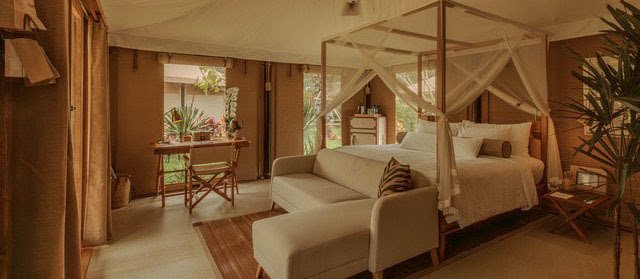
The Asia-Pacific glamping sector continues to gain momentum as travellers increasingly seek immersive nature-based experiences without compromising on comfort, wellness and exclusivity. Across Bali, Thailand, Cambodia and India, a new wave of luxury outdoor accommodations is combining sustainability, experiential travel and high-end hospitality, reflecting the growing demand for alternative lodging experiences among affluent leisure travellers. Recent offers and curated packages across the region highlight how glamping is evolving into one of the fastest-growing segments within the global travel and tourism industry.
Glamping Emerges as a Key Growth Segment in Experiential Travel
As travellers increasingly prioritise authentic experiences, sustainability and wellness-focused journeys, the global outdoor lodging sector is witnessing unprecedented growth. Glamping—a fusion of glamour and camping—has evolved far beyond traditional outdoor accommodation, offering luxury amenities, curated cultural experiences and environmentally conscious hospitality in some of the world’s most scenic destinations.
Across the Asia-Pacific region, operators are responding to this demand with innovative products that blend immersive natural settings with premium service standards. From rainforest retreats in Bali and beachfront tented camps in Phuket to wildlife adventures in Cambodia and luxury camps in India’s remote landscapes, outdoor hospitality is attracting a growing segment of travellers seeking meaningful travel experiences away from crowded urban centres.
Industry analysts note that glamping is increasingly appealing to affluent millennials, multi-generational families, wellness travellers and corporate retreat groups looking for unique destinations that combine privacy, sustainability and experiential luxury.
Bali’s Buahan Offers Exclusive Luxury Buyouts for Private Retreats
At the premium end of the outdoor lodging spectrum, Buahan, a Banyan Tree Escape is positioning itself as one of Southeast Asia’s most exclusive nature retreats.
Located in the lush Payangan Highlands north of Ubud, the adults-only property is offering complete buyouts of its 16 signature “no walls, no doors” villas for private events, wellness retreats, celebrations and corporate gatherings.
The exclusive-use package includes full-board dining experiences, daily sunset cocktails, personalised wellness programmes, cultural immersion activities, airport transfers and a dedicated Escape Host. Guests also receive substantial resort credits applicable toward spa treatments and curated destination experiences.
The retreat has gained significant international recognition, earning Two Michelin Keys in 2025, inclusion in the Condé Nast Traveller Gold List 2025 and recognition as Tripadvisor’s World’s No. 1 Sustainable Hotel in 2023.
Industry observers view the property as a benchmark for the growing trend of ultra-luxury experiential tourism, where privacy, sustainability and authentic destination engagement take precedence over conventional luxury.
Phuket Strengthens Luxury Outdoor Hospitality Offering
Thailand’s glamping market continues to expand, driven by strong international visitor arrivals and rising demand for luxury beach escapes.
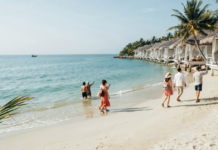
Twinpalms Tented Camp, a member of Small Luxury Hotels of the World, has introduced an extended stay promotion aimed at encouraging longer vacations and increasing visitor spending.
Situated on Bang Tao Beach, the tented camp combines safari-inspired accommodations with beachfront luxury. The promotional package includes complimentary nights, spa discounts, airport transfer benefits, dining privileges and curated leisure experiences, including private day cruises.
Tourism experts note that luxury tented accommodations are increasingly popular among travellers seeking exclusivity and a closer connection to nature while maintaining access to premium hospitality services.
Northern Thailand Capitalises on Slow Travel and Rural Tourism
In northern Thailand, the recently launched Visama Explorer Nan is leveraging the growing appeal of slow travel and community-based tourism.
Located in the mountainous Nan Province, the property offers immersive experiences centred around local Thai Lue culture, regional cuisine and outdoor exploration. The retreat combines safari-style accommodation with guided cultural experiences, campfire movie evenings and curated dining programmes.
The destination benefits from improved accessibility through direct flights from Bangkok while remaining largely untouched by mass tourism, making it particularly attractive to travellers seeking authentic rural experiences.
Travel industry specialists increasingly identify secondary destinations such as Nan as important beneficiaries of shifting tourism patterns, as travellers move beyond traditional tourism hotspots in search of less crowded and more meaningful experiences.
Cambodia’s Conservation Tourism Model Gains Momentum
Nature-based tourism continues to play a growing role in Cambodia’s sustainable tourism strategy.
Cardamom Tented Camp is combining luxury outdoor accommodation with conservation-led tourism within one of Southeast Asia’s most important protected ecosystems.
Situated within 180 square kilometres of protected rainforest, the camp offers multi-day trekking and wildlife experiences designed to support environmental conservation while generating sustainable tourism revenue.
Packages include guided jungle hikes, kayaking excursions, accommodation and meals, allowing visitors to explore one of Cambodia’s most biodiverse regions while contributing directly to conservation initiatives.
The model reflects a broader trend across Asia-Pacific destinations where tourism development is increasingly aligned with environmental protection and community engagement objectives.
India Expands Luxury Camping Experiences Across Emerging Destinations
India’s luxury outdoor hospitality market is also witnessing steady expansion as travellers seek deeper engagement with nature, wildlife and cultural heritage.
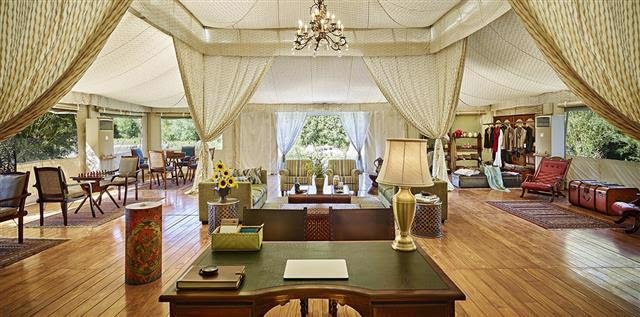
The Ultimate Travelling Camp (TUTC) continues to strengthen its portfolio of luxury camps located across some of the country’s most iconic destinations, including Ladakh, Thiksey, Ranthambore, Pangong Lake and Nagaland.
The company has introduced promotional programmes designed to encourage extended stays and advance bookings, supporting the growing trend toward experiential and destination-focused travel.
Industry experts note that luxury camps are increasingly attracting both domestic and international travellers seeking alternatives to traditional hotel stays, particularly in remote regions where cultural immersion and landscape experiences form the core of the visitor journey.
India’s glamping segment is expected to benefit from rising interest in adventure tourism, wellness retreats, wildlife experiences and sustainable travel, positioning the country as an emerging leader in premium outdoor hospitality.
Outdoor Hospitality Reshaping the Future of Travel
The continued expansion of glamping and outdoor lodging experiences across Asia-Pacific reflects broader changes in traveller preferences. Sustainability, wellness, personalised experiences and meaningful connections with nature are becoming central considerations in travel decision-making.
As destinations compete for high-value visitors, luxury outdoor accommodation is increasingly emerging as a strategic tourism product capable of dispersing visitors beyond traditional urban centres while supporting local communities and conservation efforts.
With strong demand projected across key source markets and growing investment in experiential tourism infrastructure, the region’s glamping sector appears well positioned for continued growth, offering travellers a compelling alternative to conventional hospitality while redefining the future of luxury travel.