
255,000 Visitors, 10,000 Companies, 161 Countries Highlight Tourism Recovery and Innovation
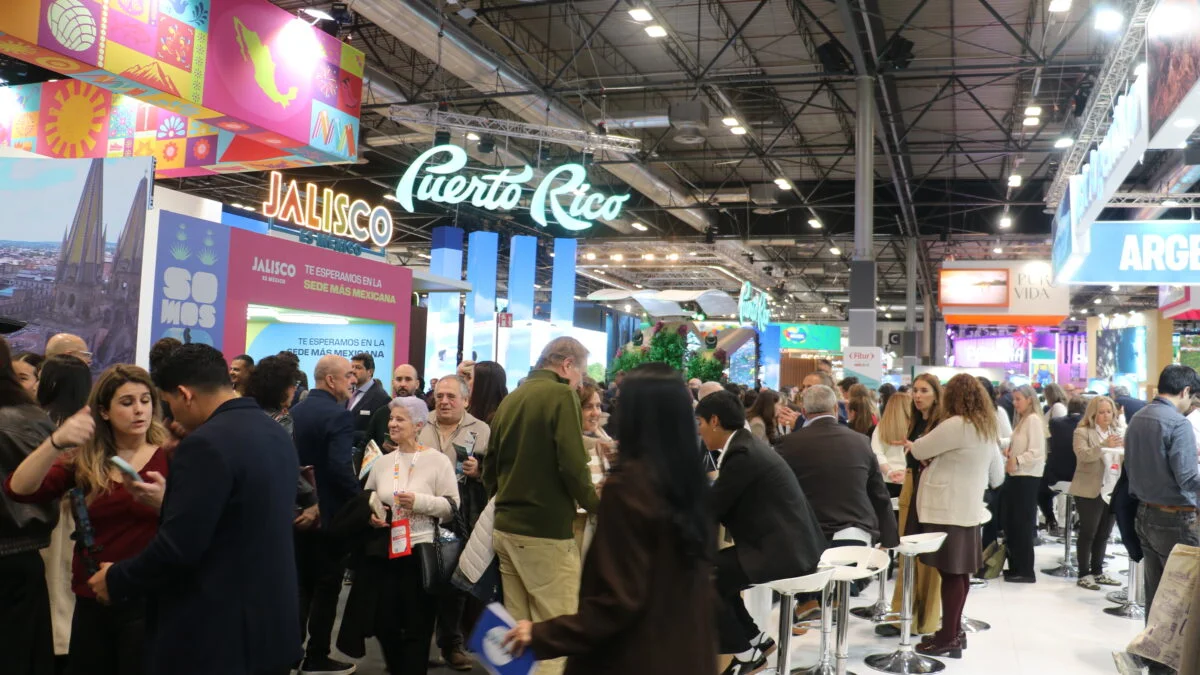
The 46th edition of the International Tourism Trade Fair, Fitur 2026, concluded this week in Madrid with record-breaking global participation, attracting over 255,000 visitors and 10,000 companies from 161 countries, including 111 nations with official representation. Organised by IFEMA Madrid, the five-day fair reinforced its status as a premier international platform for the tourism industry.
During the professional days, attendance reached 155,000 visitors, consolidating previous figures and marking a 12% increase in international attendance, alongside an 11% growth in international exhibitors. The general public weekend welcomed an additional 100,000 travellers, highlighting the fair’s broad appeal across both B2B and consumer audiences.
According to IFEMA, Fitur 2026 generated an economic impact of EUR 505 million for Madrid, supporting 3,753 jobs, and underlining the fair’s role as a key driver of the regional economy and a strategic forum for global tourism dialogue.
Global Tourism Momentum Reflected at Fitur
The event opened on January 21 with a minute of silence to honour the victims of recent railway accidents, a gesture echoed during the official inauguration on January 22, when the King and Queen of Spain signed the book of condolences at the Andalucía stand.
“Fitur 2026 reaffirms Spain’s and Madrid’s position as a global tourism hub,” said IFEMA in a press statement. “With record participation, diverse international representation, and extensive business activity, the fair underscores the sustained recovery and growth of the global tourism sector.”
According to UN Tourism data, international tourist arrivals exceeded 1.5 billion globally in 2025, while Spain welcomed 97 million international visitors, reflecting strong inbound tourism momentum.
Institutional Backing and Sector Confidence
Fitur 2026’s institutional relevance was further emphasised by official visits from over 70 regional presidents, ministers, and senior tourism authorities, highlighting the fair’s role as a forum for global policy dialogue, investment, and partnerships.
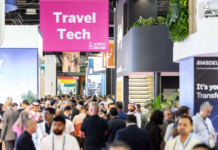
The nine exhibition halls were buzzing with activity as destinations, companies, and institutions unveiled new products, strategies, and tourism initiatives. The Knowledge Hub emerged as a central feature, hosting over 200 sessions, 250 speakers, eight auditoriums, and ten conference programmes, providing insights into emerging trends and strategic developments in tourism.
Specialised Sections Showcase Diversity and Innovation
Fitur’s specialised segments reinforced the fair’s innovation-driven agenda:
- Fitur 4All promoted accessible and inclusive tourism.
- Fitur Cruises strengthened sustainable blue tourism offerings.
- Fitur Experience, Fitur Lingua, and Fitur LGTB+ highlighted emerging tourism segments with growth potential.
- Fitur Screen, Sports, Talent, and TechY showcased the convergence of tourism with technology, sport, and culture.
- Fitur Woman emphasised female leadership in tourism.
- Fitur Know-How & Export highlighted the international expertise of Spanish companies.
With Mexico as the Partner Country, the fair also spotlighted international collaboration and cross-border tourism opportunities. IFEMA confirmed that these initiatives reinforced Fitur’s global leadership in participation, business generation, and sector innovation, while enhancing tourism’s role as an economic and social driver.
Looking ahead, IFEMA is already preparing Fitur 2027, with Puerto Rico as Partner Country, signalling a continued focus on international engagement, market diversification, and the evolution of global tourism offerings.