
Prague’s culinary scene is increasingly relevant to the business events sector, combining historic architecture, Czech and Central European cuisine with restaurants and hospitality venues capable of accommodating corporate groups, private functions and large-scale events.
From historic cafés and restored palaces to market-based bistros and multi-level restaurants, the Czech capital offers event planners a wide range of settings where gastronomy and local character come together.
The city’s official tourism organisation describes Prague’s food scene as encompassing everything from Czech classics and street food to international cuisine and luxury dining, reflecting the breadth of options available to visitors and event groups.
Červený Jelen: heritage meets large-scale events
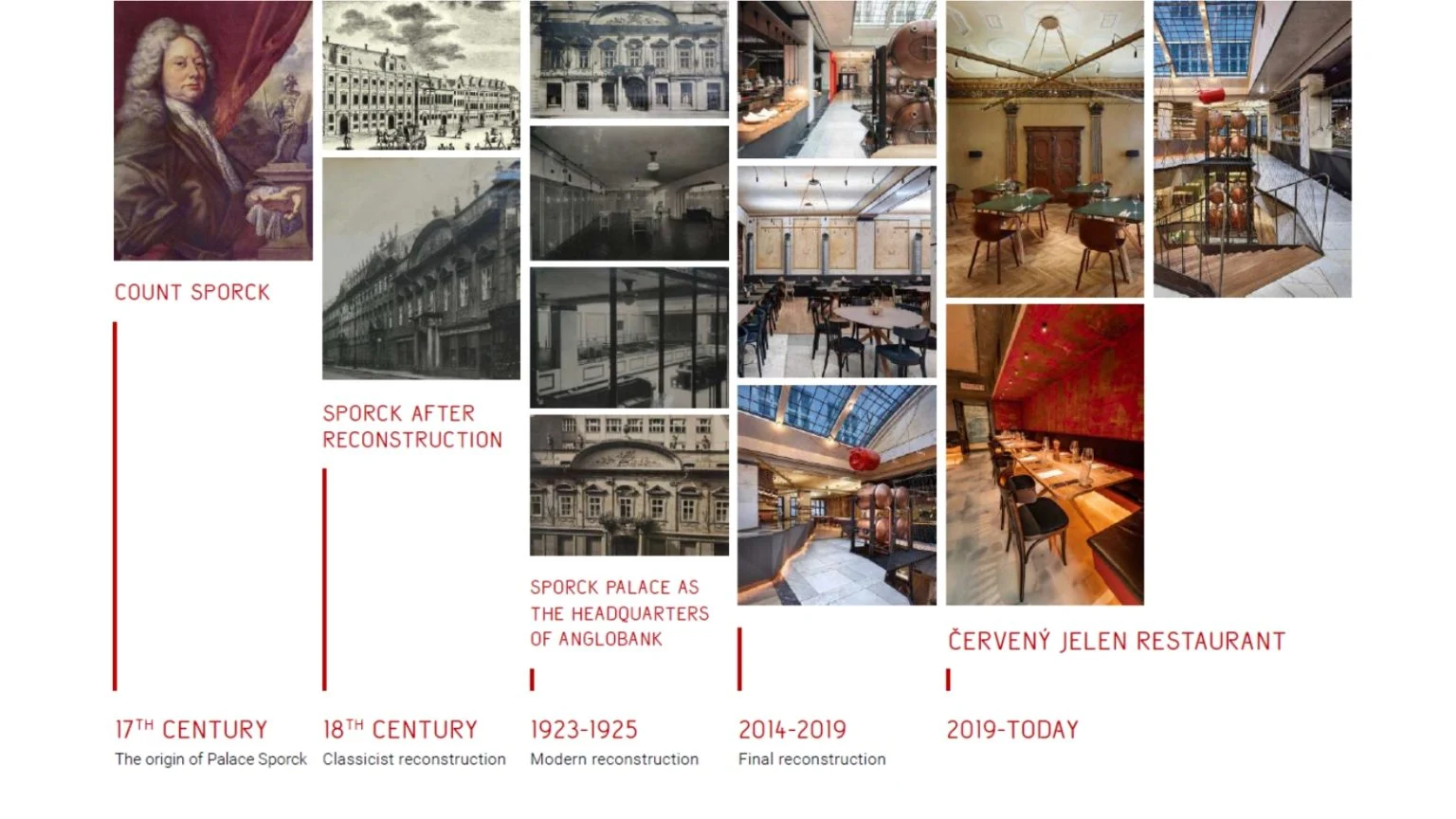
One of the most prominent examples is Červený Jelen (Red Stag), a 2,600-square-metre restaurant occupying four floors and offering 700 seats.
The building has a long architectural history. Originally constructed for Count Špork in the 18th century, it was later modernised by architect Josef Gočár and subsequently renovated by architect Stanislav Fiala. The property once served as a palace before becoming the headquarters of a major Czechoslovak bank.
Its history has been incorporated into the venue’s event offering. The former bank offices now form a private floor with six meeting rooms that can be used individually or combined for larger functions.
The private floor accommodates up to 90 guests for banquets or 120 for cocktails, while the former banking hall, known as the Former Bank, can host up to 350 guests.
Additional event spaces include The Vault, which can accommodate up to 140 people, and The Clubhouse, with capacity for up to 100 guests. The two spaces can also be combined for events requiring additional capacity.
This combination of preserved architectural elements, private meeting facilities and extensive dining capacity makes Červený Jelen particularly suited to corporate dinners, receptions, meetings and private celebrations.
Holešovice Market brings gastronomy into a historic setting
Another part of Prague’s culinary offering is emerging around Holešovice Market, a listed heritage complex in a former industrial and slaughterhouse district.
The market complex dates back to the late 19th century and is now being transformed into a mixed destination combining gastronomy, retail, culture and events. Prague City Tourism describes the site as home to restaurants, cafés, food businesses and the city’s largest fruit and vegetable market.
The setting provides an alternative to conventional restaurant venues, allowing visitors and groups to experience Prague’s industrial heritage alongside contemporary culinary concepts.
The wider Holešovice district has also developed into a creative area with cafés, bistros, cultural spaces and restaurants occupying former industrial buildings.
Ambiente showcases Czech culinary traditions
Restaurant group Ambiente has played a significant role in Prague’s contemporary dining landscape. Founded in 1995, the group operates a range of restaurants, cafés, pubs and fine-dining concepts, with an emphasis on Czech cuisine, local ingredients and hospitality.
Among the concepts highlighted at Holešovice Market is Naše Maso, an artisanal butcher shop and bistro focused on Czech meat and traditional preparations. The concept combines a working butcher counter with a compact dining operation, offering visitors a more informal way to experience local food culture.
Skô, meanwhile, brings Slovak culinary traditions to the market. Led by chef Tomáš Valkovič, the restaurant reinterprets Central European comfort food, including dishes such as lángos, halušky and lokše, while placing emphasis on seasonal ingredients.
The combination of market surroundings and independent culinary concepts adds another dimension to Prague’s group dining offer.
Myšák connects historic café culture with events
Prague’s café tradition also has a place in the city’s business events landscape.
Myšák, originally opened in 1911 by confectioner František Myšák, is presented as a restored historic pastry shop and café specialising in traditional Czech cakes, desserts and breakfasts.
Its Vodičkova Street location includes an upper-floor pastry workshop that can also be used for private events, company brunches and workshops. A second location in the courtyard of Schwarzenberg Palace provides a more scenic setting, while its Holešovice presence connects the historic brand with the contemporary market environment.
The venue illustrates how Prague’s café heritage can be adapted for smaller corporate gatherings and private experiences.
Hard Rock Café adds major group capacity
For larger international groups, Hard Rock Cafe Prague offers a very different setting.
Located in the historic V.J. Rott building near Old Town Square, the four-storey venue combines a neo-Renaissance architectural setting with the international Hard Rock brand.
The restaurant covers approximately 1,900 square metres, with four bars, multiple dining areas and a collection of music memorabilia. Its event facilities can accommodate up to 800 guests, with five meeting rooms, private dining areas, a mezzanine and a historic cellar.
The venue also provides bespoke menus for events, allowing organisers to tailor food and beverage offerings to different group requirements.
Gastronomy as part of the destination experience
Prague’s culinary offering extends beyond individual restaurants. Markets, cafés, historic buildings and contemporary food concepts are increasingly part of the destination experience offered to leisure and business travellers alike.
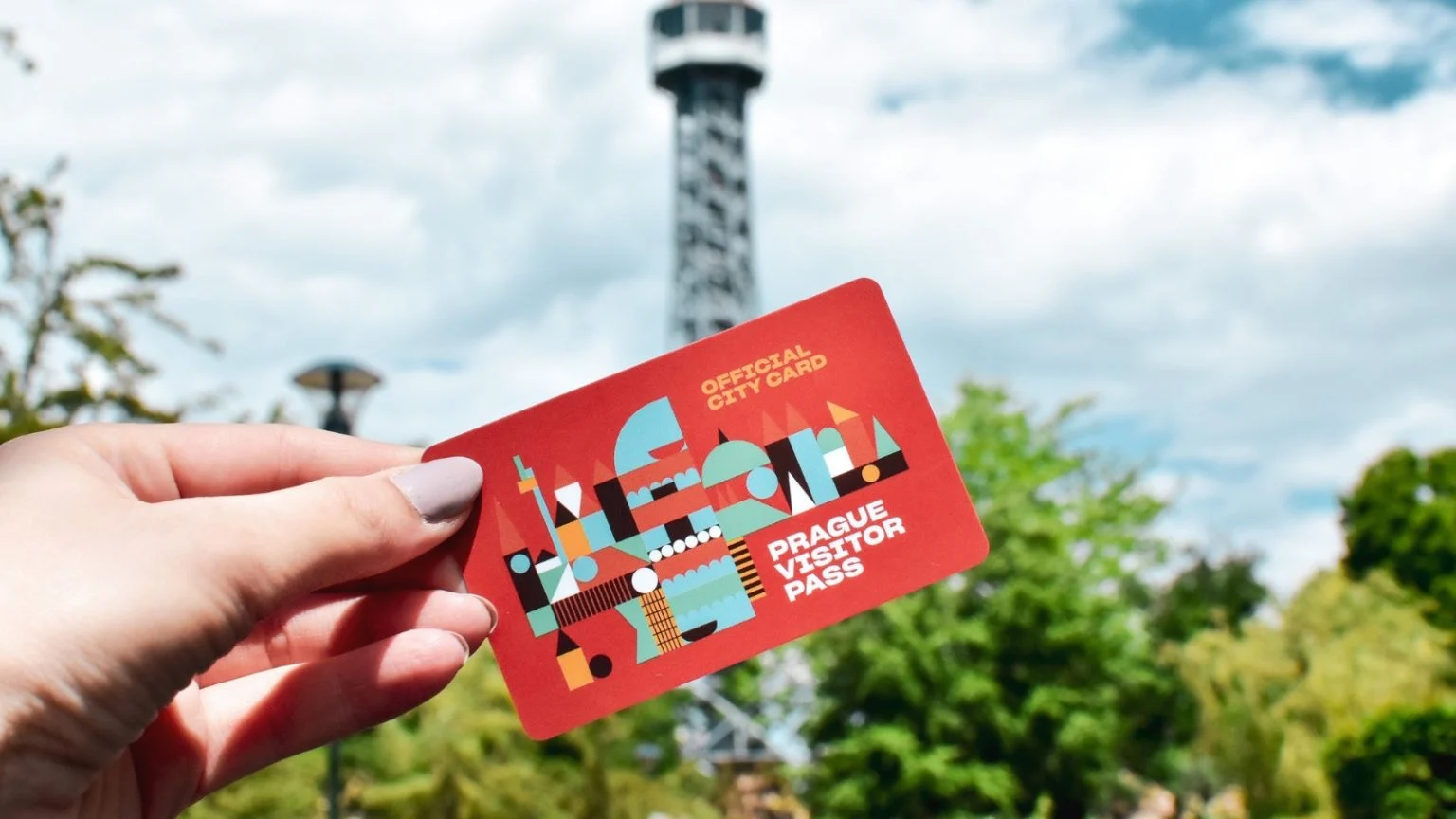
The official Prague Visitor Pass provides access to more than 70 attractions and experiences and includes unlimited public transport, guided tours and a Vltava River cruise, making it a useful complementary product for visitors combining meetings with sightseeing.
Meanwhile, Prague’s official tourism calendar highlights a growing programme of food markets, festivals and gourmet events, underlining the role gastronomy plays in the city’s visitor economy.
For event organisers, the appeal lies in the combination of culinary identity, architectural heritage and flexible capacity. From intimate pastry workshops and market-based dining to historic banking halls and venues for hundreds of guests, Prague offers multiple ways to incorporate local gastronomy into meetings, incentives, conferences and private events.