

Japan has crossed a historic milestone in its engagement with the Indian outbound market, welcoming over 300,000 Indian visitors in 2025, reflecting sustained growth and a notable shift in travel patterns toward immersive, year-round experiences.
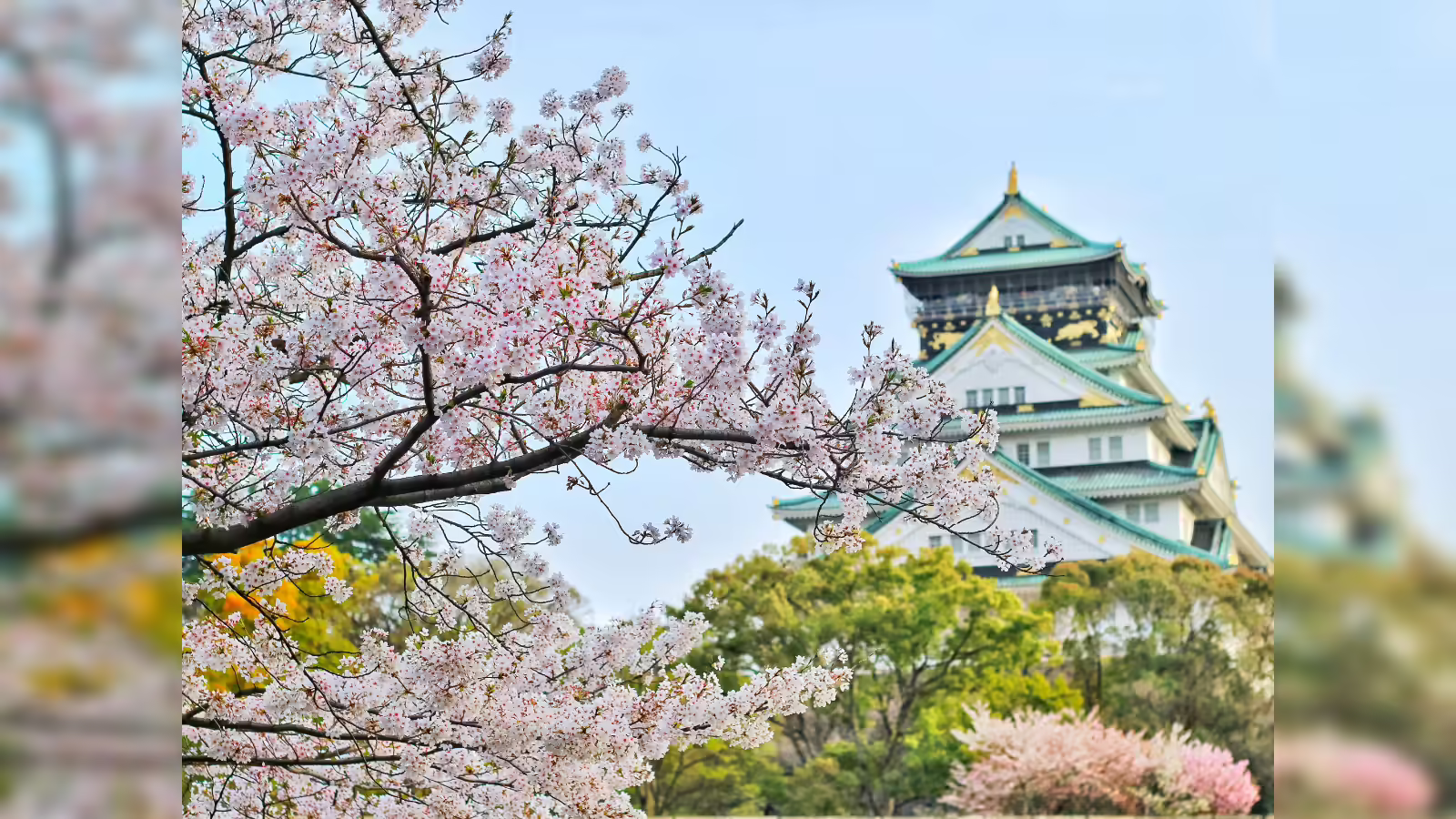
Long associated with its iconic cherry blossom season, Japan is now firmly positioned as a multi-season luxury and experiential destination for discerning Indian travellers. Demand is no longer confined to spring. Instead, summer, alpine and culturally immersive itineraries are driving new momentum in one of Asia’s most sophisticated tourism markets.
Beyond Sakura: A Year-Round Japan Emerges
While the sakura season remains an enduring draw, booking insights from Cox & Kings indicate a nearly 30% increase in summer departures between April and September 2025, signalling growing confidence in Japan as a year-round proposition.
Importantly, there is currently no official travel advisory impacting travel flows, reinforcing consumer confidence in the destination. Even as select cherry blossom events saw minor scheduling adjustments this season, overall demand from India has remained steady and resilient.
For luxury travel planners and destination strategists, this evolution represents a structural shift — from seasonal, event-driven tourism to sustained, curiosity-led exploration.
Regional Japan Gains Prominence
Indian travellers are increasingly moving beyond the classic Golden Route of Tokyo–Osaka–Kyoto. Emerging regional circuits are witnessing strong traction, including:
- Hokuriku – prized for its coastal scenery, seafood culture and architectural heritage
- Rural Honshu – offering preserved towns, scenic rail journeys and authentic countryside immersion
- Hakone – known for ryokans, hot springs and views of Mount Fuji
- Takayama – celebrated for Edo-period streetscapes and artisanal traditions
Alpine landscapes, heritage towns and wellness-focused experiences are reshaping itinerary design. Scenic rail journeys, coastal routes and cultural circuits are appealing to travellers seeking immersive, less-crowded environments aligned with global sustainable travel preferences.
A New Demographic Profile
Young couples, families and first-time international travellers now account for approximately 55–60% of bookingsfrom India to Japan. Influences include:
- Japanese pop culture
- Culinary exploration
- Social media and digital-first discovery
Small-group departures remain strong, but there is a pronounced shift toward customised itineraries tailored around gastronomy, regional storytelling and curated local engagement.
Karan Agarwal, Director of Cox & Kings, observes that Japan offers “a rare balance of ancient tradition and modern efficiency,” noting a broader move away from checklist tourism toward narrative-rich, curiosity-driven travel.
Culinary and Cultural Capital
Food has become central to the Indian traveller’s Japanese journey. Beyond metropolitan dining, regional culinary traditions are increasingly embedded into travel programmes — from artisanal sushi and ramen trails to tea ceremonies and sake tastings.
Japan’s pop-cultural influence is also translating into measurable visitor flows. Attractions such as the Naruto & Boruto Shinobi-Zato on Awaji Island are drawing younger travellers seeking entertainment experiences rooted in anime and contemporary Japanese storytelling.
Simultaneously, a growing awareness of Japanese etiquette and local customs is shaping visitor behaviour. Indian travellers are demonstrating heightened sensitivity toward public conduct and community-led tourism — a trend aligned with Japan’s broader objective of dispersing arrivals beyond overtourism hotspots.
Strategic Vision: 60 Million Visitors by 2030
Japan has articulated an ambitious national tourism target of 60 million international visitors by 2030, supported by continued investment in infrastructure, regional connectivity and heritage preservation.
Expanded air links, improved rail networks and regional tourism promotion are strengthening accessibility from India — now one of Asia’s fastest-growing outbound luxury markets.
For senior executives across aviation, hospitality and destination management, the trajectory is clear: Japan’s relationship with the Indian market is entering a new phase defined by depth, diversification and premiumisation.
As 2025 sets a new benchmark, the narrative has shifted decisively. Japan is no longer a once-in-a-lifetime spring spectacle for Indian travellers — it is an evolving, year-round canvas of culture, cuisine, craftsmanship and contemporary design.