
Central Asian destination welcomes 889,400 foreign tourists as CIS markets account for the overwhelming majority of arrivals
Tajikistan recorded 889,400 foreign tourist arrivals in the first half of 2026, representing a 16.7% increase year on year, as the Central Asian destination continues efforts to strengthen its tourism infrastructure and broaden its international visitor base.
According to preliminary data from the country’s Agency for Statistics, more than 1.063 million foreign nationals entered Tajikistan between January and June. Of these, approximately 889,400 were recorded as tourists.
Visitors from Commonwealth of Independent States (CIS) countries continued to dominate the inbound market. Around 806,900 foreign visitors came from CIS countries, while approximately 82,500 arrived from other international markets.
The latest figures underline the continued importance of neighbouring and regional markets to Tajikistan’s tourism industry, while also highlighting the country’s efforts to diversify its international source markets.
Tourism infrastructure expands
The growth in visitor numbers comes as Tajikistan implements its Tourism Development Strategy through 2030, which aims to strengthen tourism infrastructure, diversify the country’s tourism products and increase international arrivals.
As of mid-2026, Tajikistan had 216 hotels, 53 hostels and motels, 57 sanatoriums, four children’s resorts, six medical and wellness centres, eight holiday homes and five tourist bases, according to the latest data.
The accommodation and hospitality network is supported by 191 registered travel companies, with the largest concentration in the capital, Dushanbe.
Other significant concentrations of tourism businesses are found in the Sughd region, Gorno-Badakhshan Autonomous Region, Khatlon region and districts under central government administration.
Broadening the international visitor base
While CIS markets continue to provide the bulk of Tajikistan’s foreign tourist arrivals, the government is seeking to increase the contribution of visitors from markets outside the region.
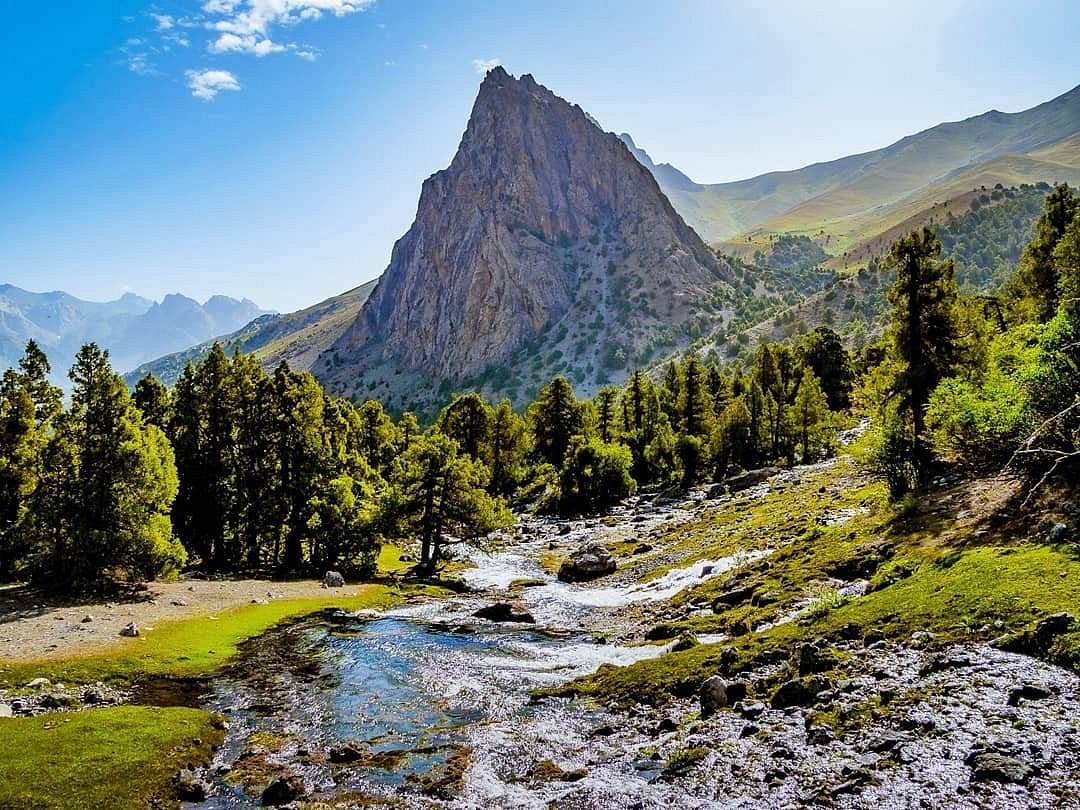
The country’s mountainous landscapes, trekking opportunities, cultural heritage and nature-based tourism assets provide a foundation for developing adventure and experiential tourism.
The expansion of accommodation and travel infrastructure is part of a wider strategy to make these attractions more accessible to international visitors and encourage longer stays.
The first-half growth comes as Tajikistan continues to position tourism as an increasingly important component of its wider economic development agenda. Continued investment in infrastructure, hospitality capacity and tourism products will be central to the country’s ambition of attracting more international visitors through 2030.