
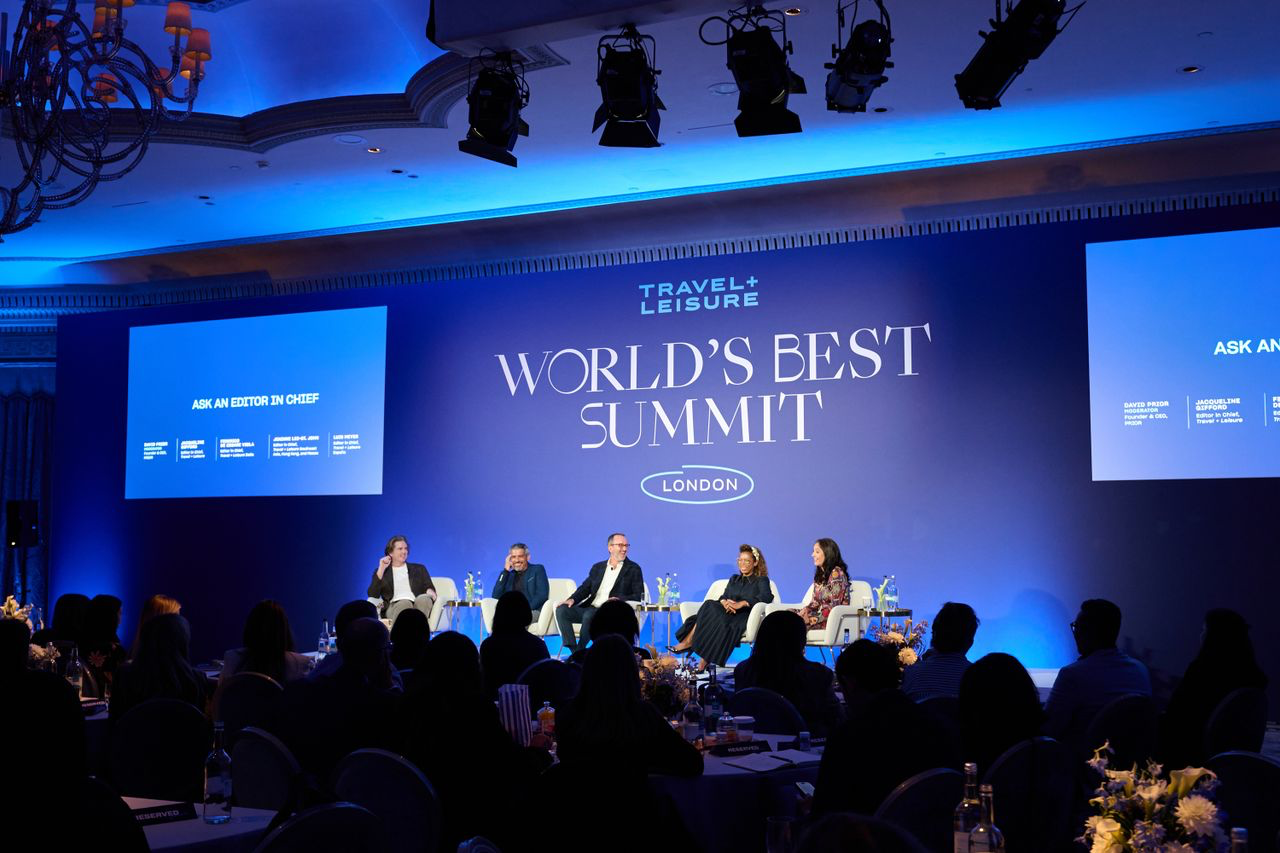
Artificial intelligence, personalised hospitality, shorter yet more meaningful holidays, the growing value of time and interest in emerging destinations are reshaping the global travel experience.
The global travel industry is undergoing a significant transformation as technology, changing lifestyles and evolving traveller expectations redefine how people discover destinations, plan holidays and experience hospitality. While digital innovation is making travel planning increasingly convenient, the future of the industry is also being shaped by something far more personal: the desire for meaningful experiences, genuine human connection and journeys that make better use of limited time.
From the growing role of artificial intelligence to the rising appeal of lesser-known destinations, five key trends are emerging as important influences on the next phase of travel.
1. Artificial Intelligence Will Simplify Travel Planning, but Human Expertise Remains Essential
Artificial intelligence is becoming an increasingly useful tool across the travel journey, helping travellers research destinations, compare accommodation, organise itineraries and manage travel arrangements. Airlines, hotels and online booking platforms are also exploring AI-powered applications to improve customer service and personalise recommendations.
However, technology has its limitations, particularly when it comes to understanding the realities of a destination. AI-generated information may not always reflect current local conditions, opening hours, transport disruptions or the finer details that can make or break a trip.
Industry experts have cautioned that while AI is highly effective at processing information and handling calculations, it does not necessarily possess the contextual understanding, judgement or personal taste required to make nuanced travel recommendations.
For travellers, the most effective approach is likely to combine digital convenience with human expertise. AI can help build an itinerary and narrow down choices, while local specialists, experienced travel advisers and destination experts can provide insights that technology may overlook.
As the technology develops, its greatest contribution may be to remove routine planning tasks, allowing travellers to spend more time making informed decisions and enjoying their journeys.
2. Personalised Hospitality and Genuine Human Service Will Define the Guest Experience
As hotels and travel companies adopt more technology, personal service is becoming an increasingly important differentiator. Travellers are looking beyond standardised hospitality and expecting experiences that recognise their individual preferences, interests and needs.
The traditional model of scripted greetings and uniform service is gradually giving way to more intuitive hospitality, in which staff are encouraged to understand the circumstances and expectations of each guest.
This approach requires more than sophisticated customer databases or automated guest profiles. It depends on well-trained employees who feel valued, supported and motivated to deliver thoughtful service.
Hospitality leaders increasingly recognise that employee satisfaction and guest satisfaction are closely connected. A positive workplace culture can help create a more attentive and welcoming environment for visitors.
Community engagement is also becoming part of this wider approach. Hotels that support local employment, provide opportunities for underrepresented groups and build meaningful relationships with their surrounding communities can contribute to a more inclusive tourism ecosystem.
For travellers, the result should be hospitality that feels less transactional and more personal, with experiences shaped around individual expectations rather than a standard service formula.
3. Shorter Holidays Are Becoming More Intentional and Meaningful
The idea that a memorable holiday must involve an extended stay and a long list of attractions is increasingly being challenged. With demanding work schedules and limited annual leave, many travellers are finding ways to make shorter breaks more rewarding.
Rather than attempting to cover an entire city or country in a few days, travellers are increasingly being encouraged to focus on fewer experiences and explore them more deeply.
A short city break, for example, could centre on a particular neighbourhood, a cultural attraction, a local food experience or a carefully selected activity. This approach can provide a stronger sense of connection with a destination while avoiding the pressure of an exhausting sightseeing schedule.
The emphasis is shifting from the number of places visited to the quality of experiences enjoyed. Travellers are also becoming more conscious of choosing activities that reflect their personal interests, whether these involve art, history, nature, gastronomy, wellness or local culture.
For the travel industry, this presents an opportunity to develop more flexible short-break packages, neighbourhood experiences and specialist itineraries that deliver value within a limited timeframe.
4. Time Is Becoming One of Travel’s Most Valuable Luxuries
Luxury travel has traditionally been associated with premium accommodation, exclusive experiences and high levels of comfort. Increasingly, however, the ability to save time and remove unnecessary complexity is becoming an equally important measure of luxury.
For travellers, time is a limited resource. Long airport procedures, complicated transfers, lengthy check-ins and poorly coordinated itineraries can reduce the time available to enjoy a holiday.
Travel and hospitality companies are responding with services designed to make journeys more seamless. These include private transfers, priority airport services, pre-arrival planning, personalised concierge assistance and experiences arranged before guests reach their destinations.
Cruise and luxury hospitality operators are also placing greater emphasis on anticipating guest requirements before departure. By arranging key decisions and preferences in advance, companies can help travellers avoid spending valuable holiday time organising activities and services.
The trend has implications beyond the luxury segment. Clearer booking processes, integrated travel information, efficient transport connections and better coordination between service providers can improve the experience for travellers across different budgets.
Ultimately, the value of a holiday is not determined only by how much a traveller spends, but also by how effectively the available time is used.
5. Lesser-Known Destinations Are Gaining Attention
Travellers are increasingly looking beyond established tourist centres in search of destinations offering distinctive cultural experiences, local character and a stronger sense of discovery.
While iconic attractions and internationally recognised cities will continue to draw visitors, there is growing interest in places that have traditionally received less attention. Smaller cities, emerging tourism hubs and destinations undergoing cultural or urban transformation are attracting travellers interested in experiences beyond conventional sightseeing.
Capital cities can be particularly rewarding in this respect. They often provide an introduction to a country’s contemporary identity through its food, arts, architecture, history and everyday urban life.
In Africa, for example, destinations such as Kigali offer opportunities to explore stories of resilience, renewal and cultural development beyond the continent’s better-known wildlife attractions. Elsewhere, cities such as Liverpool and Detroit demonstrate how industrial heritage, architecture and cultural reinvention can become compelling reasons to visit.
Destinations including Puerto Rico, Nepal and mainland China are also attracting attention among travellers seeking new perspectives and experiences.
For tourism authorities and local businesses, the opportunity lies in presenting these destinations through authentic storytelling, improved visitor infrastructure and experiences that benefit local communities.
For travellers, exploring beyond the familiar can lead to a more varied understanding of a country and its people.
A More Human Future for Travel
The next chapter of global tourism will be shaped by the relationship between technological progress and human connection. Artificial intelligence and digital platforms will continue to simplify planning and improve efficiency, but personal service, local knowledge and meaningful experiences will remain central to the appeal of travel.
At the same time, changing lifestyles are encouraging travellers to reconsider what makes a journey worthwhile. Shorter holidays can be meaningful, luxury can mean having more time, and an unfamiliar city may offer a richer experience than a familiar tourist landmark.
For the travel industry, the challenge will be to respond to these changing expectations with services and experiences that are convenient, personal and relevant. For travellers, the opportunity is to plan journeys with greater intention—choosing not simply where to go, but how they want to experience the world.