

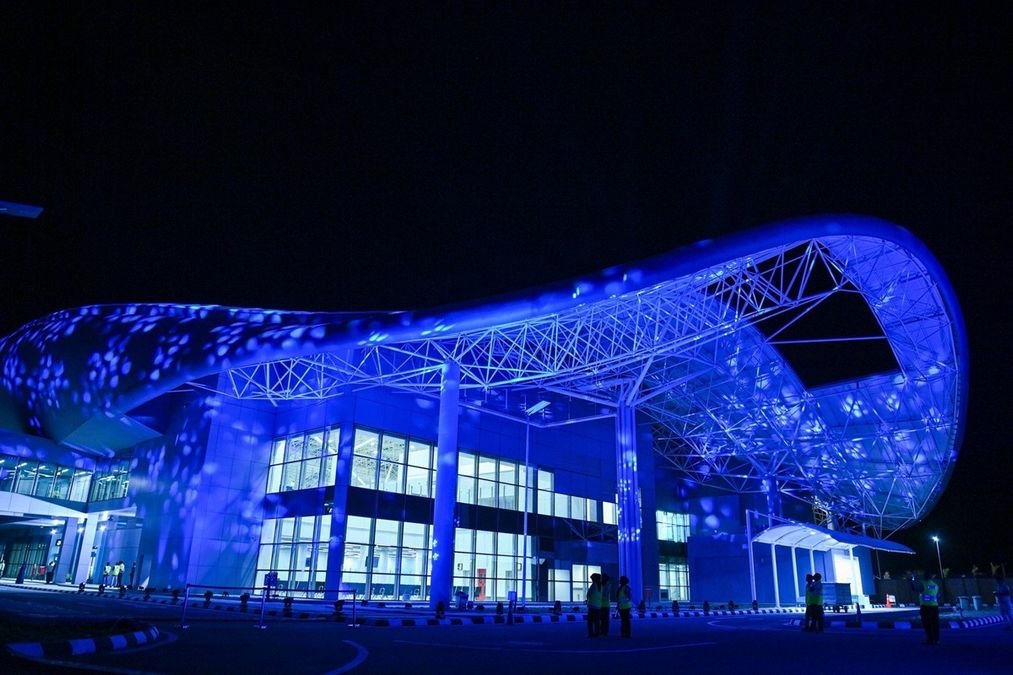
The Maldives is poised to deepen its engagement with the Indian travel market as improved air connectivity, fresh investment flows and evolving traveller preferences reshape the country’s tourism landscape. At the centre of this momentum is the upcoming opening of Hanimaadhoo International Airport in the northern Maldives, a development expected to significantly enhance access from India and unlock new growth opportunities for resort operators with a strong luxury and lifestyle portfolio.
India has steadily risen as one of the most influential source markets for Maldivian tourism, driven by geographic proximity, rising disposable incomes and a growing appetite for premium leisure travel. The new airport, located closer to the Indian subcontinent than the country’s primary gateway, is widely seen as a game changer—particularly for northern atolls that have, until now, remained relatively underexplored.
Expanding Portfolio Meets Rising Demand
The hospitality group behind some of the Maldives’ most recognisable luxury and lifestyle resorts has been steadily expanding its footprint over the past decade, building on deep industry experience that spans several decades. Currently operating three distinct properties across the luxury spectrum—ranging from ultra-luxury to contemporary five-star resorts—the group also has two new developments in the pipeline, both scheduled to open in 2026.
Once these projects are completed, the portfolio is expected to reach close to 1,000 keys, significantly strengthening the group’s presence across multiple segments of the Maldivian resort market. This expansion aligns with rising demand from key international markets, including India, which is increasingly viewed as a strategic priority.
India’s Growing Importance in the Maldives Tourism Mix
While traditional source markets such as Russia, the UK, Germany and China continue to perform strongly, India has emerged as one of the fastest-growing contributors to Maldivian tourism overall. As one of the Maldives’ largest global source markets, India offers a vast and diverse outbound segment, ranging from affluent honeymooners and families to incentive travellers and experiential luxury seekers.
The proximity of the two countries gives the Maldives a competitive advantage, positioning it as an ideal short-haul luxury destination for India’s expanding middle and upper-middle classes. Direct connectivity to the northern Maldives via Hanimaadhoo International Airport is expected to further stimulate demand, particularly from India’s western and southern regions.
Connectivity and Investment Transform the Northern Maldives
The opening of Hanimaadhoo International Airport represents more than just improved access—it signals a broader shift in the Maldives’ tourism geography. The northern atolls are witnessing increased interest from international investors, including those from India, attracted by government-backed incentives, tax benefits and infrastructure development programmes designed to encourage sustainable growth.
As new resorts, bed capacity and tourism facilities come online, the northern Maldives is expected to evolve into a viable second gateway, complementing the country’s main international airport and easing congestion while dispersing tourism benefits more evenly across the archipelago.
Building Brand Presence in the Indian Market
To capitalise on India’s growing outbound potential, Maldivian resort groups have been investing in targeted market engagement strategies. These include consumer activations in key Indian cities, partnerships with tour operators, digital campaigns and collaborations with influencers to build brand awareness and aspiration.
Such initiatives have already delivered measurable results, with Indian arrivals showing consistent double-digit growth in recent years. The focus has been on positioning the Maldives not only as a honeymoon destination, but also as a versatile option for families, couples, incentive groups and experiential travellers seeking wellness, nature and personalised luxury.
Opportunities and Constraints in Weddings and MICE
Destination weddings and MICE travel remain promising but complex segments for the Maldives. While India is one of the world’s largest outbound wedding markets, operational constraints—such as resort size, capacity limitations and regulatory considerations around religious and legal ceremonies—have limited the Maldives’ ability to compete with destinations like Sri Lanka in this space.
That said, incentive travel and small-to-mid-scale MICE groups have gained traction, particularly at larger lifestyle resorts equipped with conference facilities capable of hosting several hundred delegates. With India’s corporate travel market continuing to expand, this segment presents a clear opportunity for further growth.
A Market Set for Long-Term Growth
Looking ahead, industry stakeholders expect the full impact of Hanimaadhoo International Airport to unfold gradually, as increased bed capacity and supporting infrastructure come into place. However, early indicators—ranging from investor commitments to new resort developments—suggest strong confidence in the northern Maldives as the next phase of the country’s tourism growth.
With India’s outbound travel market expanding rapidly and the Maldives enhancing both connectivity and capacity, the foundations are being laid for a deeper, more sustained partnership between the two destinations. As accessibility improves and offerings diversify, India is set to play an even more pivotal role in shaping the future of Maldivian tourism.