
Tourism leaders address accessibility challenges and the impact of fake news on destinations
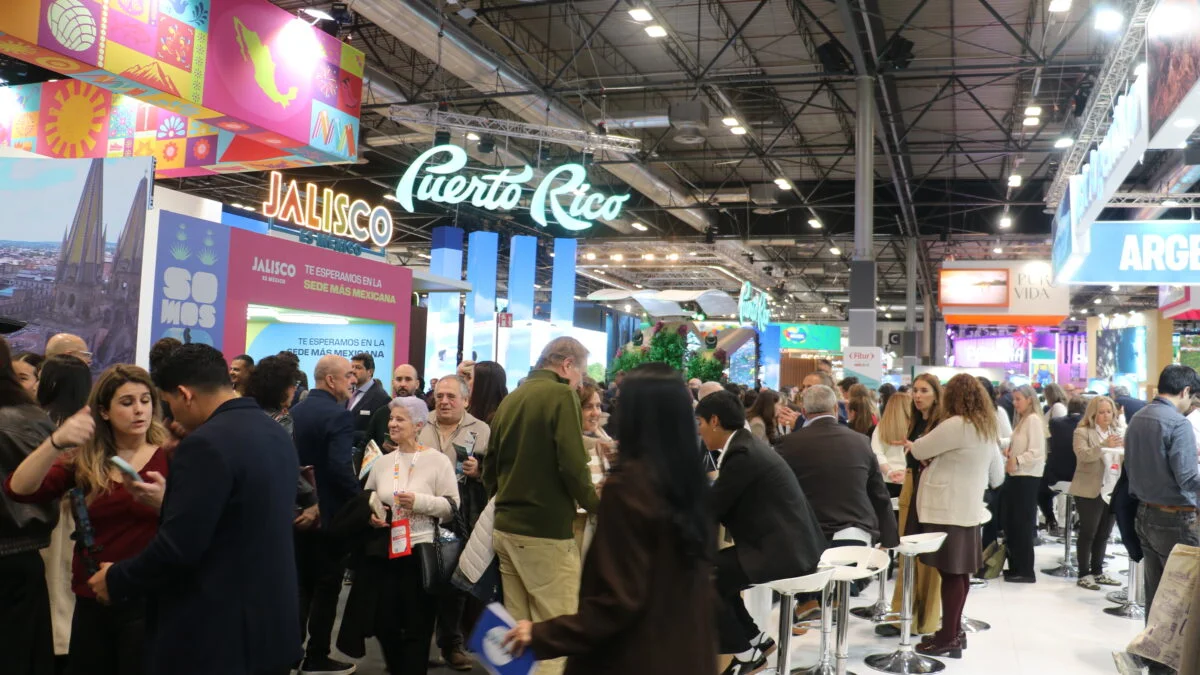
The 46th edition of Fitur, the international tourism trade fair organised by IFEMA Madrid, turned its focus on the critical themes of inclusive travel and misinformation on its third day, drawing industry leaders to examine how accurate communication and accessibility shape modern tourism.
The fair’s discussions converged on two central priorities: ensuring tourism is accessible to all and addressing the rapid spread of misinformation that can damage destination reputations.
In a press briefing, IFEMA noted that the first International Summit on Communication and Tourism, organised in partnership with Agencia EFE, set the tone for strategic dialogue. José Vicente de los Mozos, President of IFEMA’s Executive Committee, described the summit as “a global source of knowledge for tourism communication professionals,” while Miguel Ángel Oliver, President of Agencia EFE, emphasised that tourism must remain central to economic policy even amid geopolitical uncertainty, alongside continued progress on gender equality, sustainability, innovation, and investment.
Inclusive Tourism Moves Beyond Rhetoric
At the parallel Fitur 4all forum, speakers highlighted measurable progress in accessible tourism. Francisco Sardón, President of Impulsa Igualdad, revealed that Spain experienced a 10% increase in tourists with reduced mobility in 2025, reflecting growing recognition that accessibility is both a social and economic imperative. “Accessible tourism is not a niche—it is a core component of destination planning,” Sardón said, noting Spain’s ambition to remain the reference country for tourism for all.
Government and industry representatives reinforced the connection between professional communication and trust. José Luis Sá Nogueira, Minister of Tourism for Cabo Verde, stressed that building credibility depends on well-trained communication teams, particularly as the country prepares for its first FIFA World Cup in 2026. Similarly, Fernando Valmaseda, CEO of RV Edipress, underscored that weak communication undermines confidence in destinations, describing effective communication as “an investment, not a cost.”
Misinformation Threatens Tourism Credibility
Panels also examined the growing challenge of fake news and disinformation. Jonathan Gómez, Director General of Tourism, City Council of Málaga, cited an incident in which viral images of alleged shark sightings off Marbella—later identified as harmless herbivorous fish—temporarily harmed Andalusia’s tourism image. Jorge Ocaña, journalist at EFE Verifica, shared examples of manipulated visuals, invented destinations, and scam campaigns that mislead travelers and create financial and reputational losses.
The impact of misinformation is especially severe in accessible travel, where travelers with reduced mobility or special requirements rely on accurate data to plan safely. Nuria Cabrero, Editorial Director of Lonely Planet Spain, noted that rigorous verification and cross-checking with reliable sources are essential to maintaining trust.
Policy, Market Insights, and Global Standards
At Fitur 4all, discussions emphasized the intersection of accessibility, policy, and market needs. Igor Stefanovic, Head of Culture, Ethics, and Social Responsibility at UN Tourism, called accessible tourism a human right and business opportunity, highlighting that one-third of the global population has specific access needs due to age, disability, or health conditions. Miguel Carrasco, Director of Tourism at Impulsa Igualdad, further explained that market expectations vary, with French visitors favouring active, short-stay travel and North American travelers prioritising heritage and gastronomy experiences.
Bárbara Couto, Deputy Director General for Marketing at Turespaña, presented Spain’s new international tourism brand, “Think you know Spain? Think again,” which positions the country as diverse, inclusive, and accessible, particularly targeting the United States and United Kingdom markets.
Training, Infrastructure, and Future Priorities
The day highlighted the need for professional education and industry infrastructure. John Sage, CEO of Accessible Travel Solutions, stressed that training underpins accessible tourism, while Glenn Mandziuk, CEO of the World Sustainable Hospitality Alliance, urged accommodation providers to design hospitality environments where everyone can belong.
The forum concluded with a call to re-centre tourism’s narrative on human values. Natalia Bayona, Executive Director of UN Tourism, reminded the industry that growth in investment and arrivals must be matched by credibility, honesty, and storytelling rooted in reality. “Tourism must be more human and capable of generating hope,” she said.
Fitur 2026’s inclusive and misinformation-focused discussions reinforce its role not just as a commercial platform, but as a global forum shaping responsible, accessible, and credible tourism practices.