

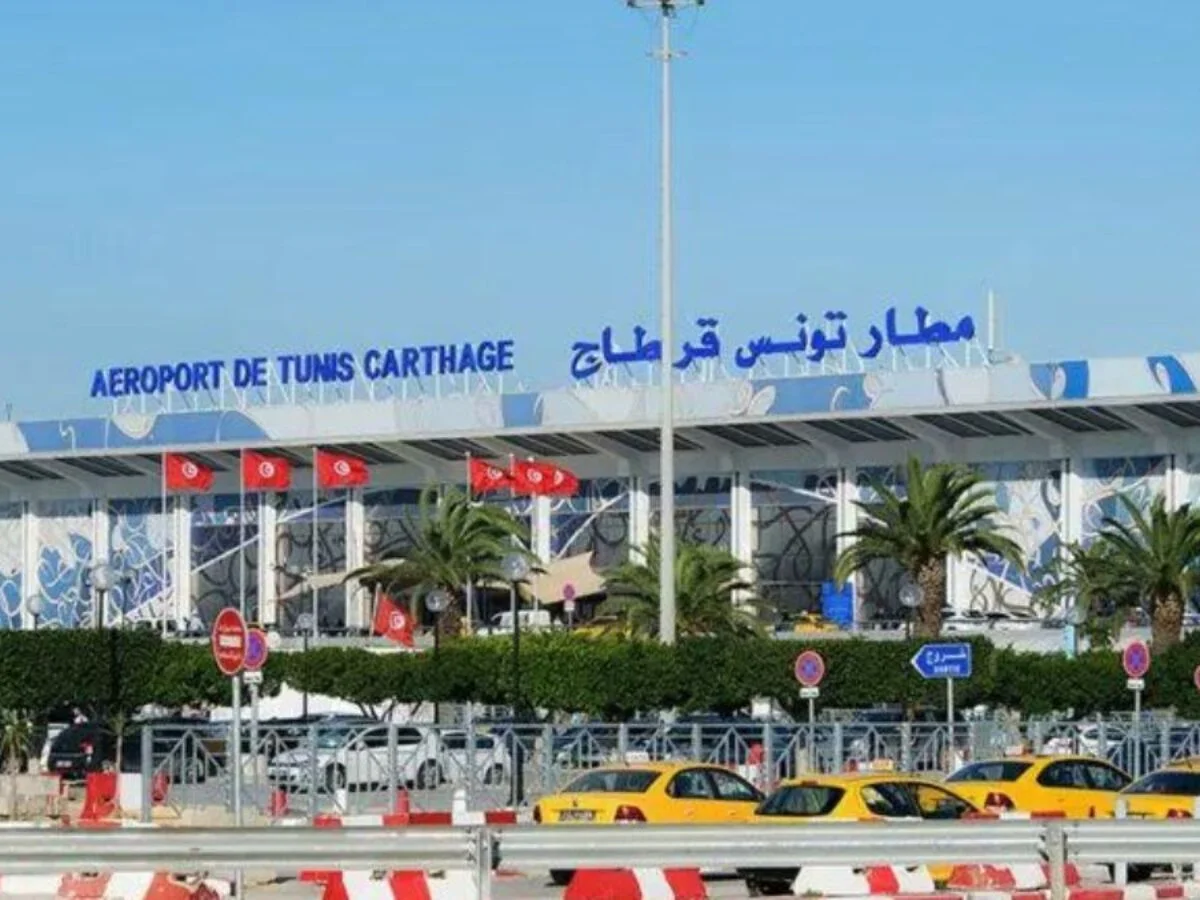
Tunisia is embarking on a landmark project to transform its main international gateway, Tunis-Carthage Airport, with a USD 1 billion investment aimed at quadrupling its capacity to over 18.5 million passengers annually by 2031. The ambitious expansion is designed to modernize air transport infrastructure and position Tunisia as a leading hub for regional and international travel.
The Tunisian Ministry of Civil Aviation confirmed that preparations for the airport extension are underway, with the project focused on increasing operational efficiency, accommodating growing passenger demand, and ensuring the facility can continue to meet traffic needs well beyond 2050.
“This capacity can be further increased depending on the evolution of passenger traffic, allowing Tunis-Carthage Airport to remain a central hub for decades to come,” the Ministry stated.
The Ministry also highlighted the upcoming expiry of the Enfidha-Hammamet Airport concession in 2047, which could allow for reintegration of operations with Tunis-Carthage. Plans include linking the two airports via high-speed rail to streamline connectivity and strengthen the overall airport network.
“This approach is aimed at enhancing the capabilities of our airports to accommodate increasing passenger volumes and meet the evolving demand of the travel and tourism sector,” the Ministry explained.
The central objective of the USD 1 billion project is to elevate the airport’s annual passenger handling from the current 5 million to 18.5 million by 2031. In a strategic pivot, the Tunisian government has temporarily shelved plans for a completely new airport, opting instead to concentrate on upgrading and expanding the existing Tunis-Carthage infrastructure.
This decision underscores a shift in Tunisia’s aviation policy, prioritizing the optimization of a consolidated asset over the construction of new facilities. By reinforcing Tunis-Carthage Airport, the government is ensuring that the capital has the infrastructure necessary to support the anticipated surge in international travellers and strengthen Tunisia’s position as a preferred destination in North Africa.
The expansion is expected to serve as a cornerstone for the country’s aviation sector, facilitating growth in both business and leisure travel, and providing the foundation for Tunisia’s broader tourism development goals.