
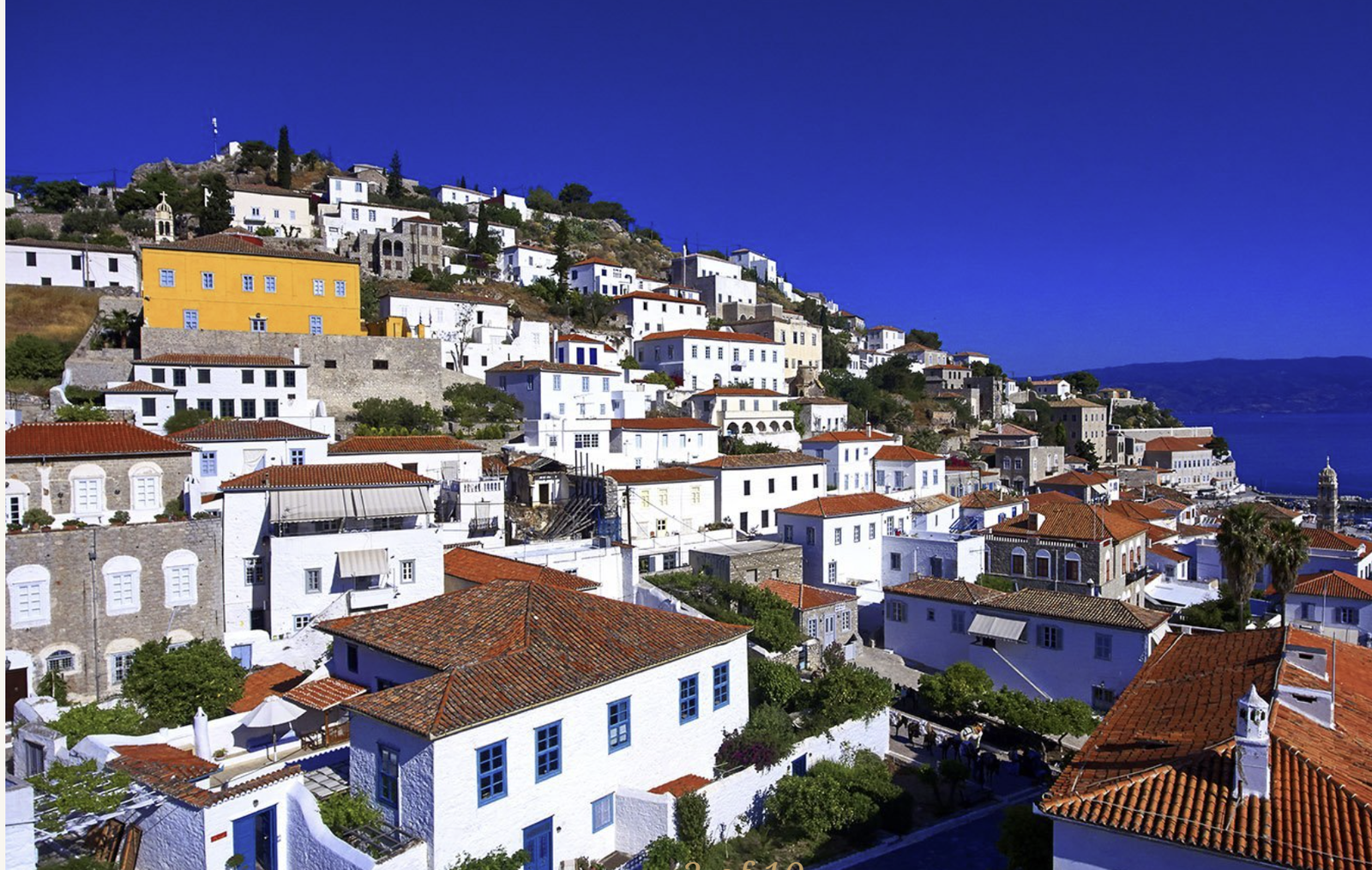
Through literature, cinema, photography and tourism promotion, Hydra has developed an identity that extends far beyond its landscape, becoming a powerful symbol of Greece and an enduring reference point for destination branding.
There are destinations travellers discover when they arrive, and there are places they encounter long before the journey begins through photographs, films, books and stories. Hydra belongs firmly to the second category.
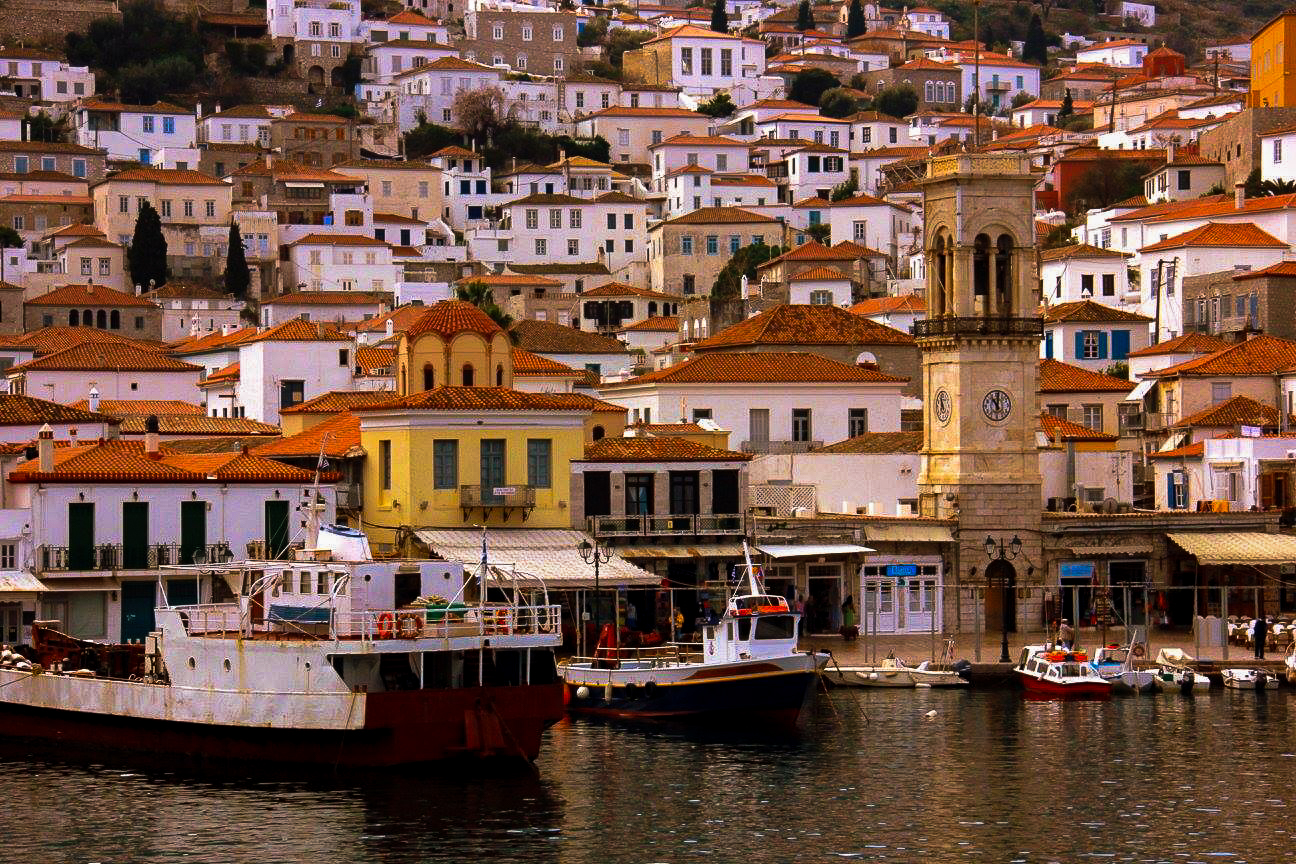
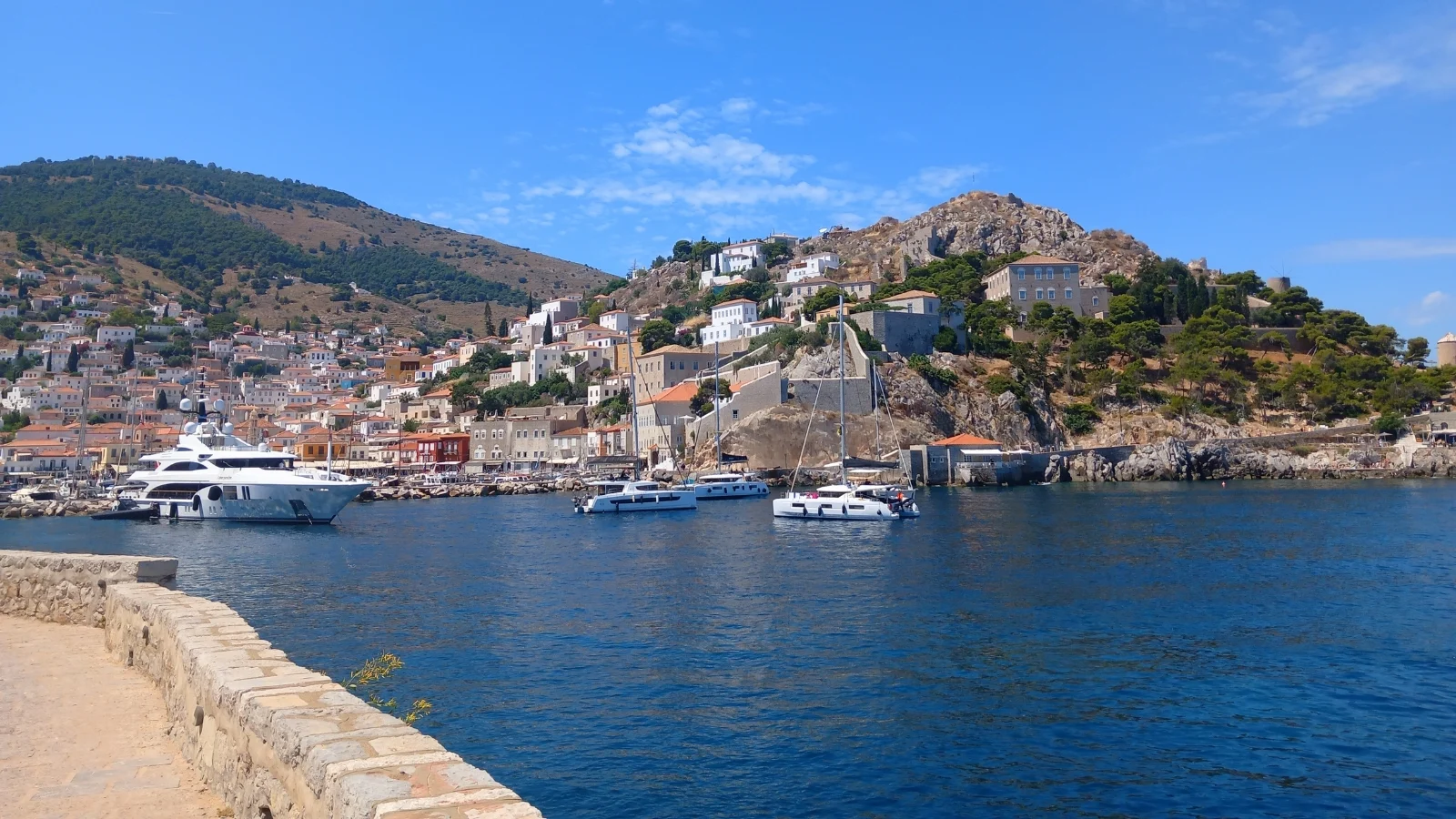
Long before visitors reach its harbour, they may already have an image of the Greek island in their minds: stone mansions rising above the waterfront, narrow cobbled lanes, traditional architecture, donkeys moving through the settlement and a pace of life largely untouched by cars.
That image is not the product of tourism promotion alone. Over decades, Hydra’s identity has been shaped by writers, artists, photographers, filmmakers and musicians, creating a cultural narrative that has become inseparable from the destination itself.
From island destination to cultural symbol
Hydra’s international profile grew particularly strongly during the 1950s and 1960s, when the island attracted artists and writers drawn to its distinctive environment and slower way of life.
Writer Charmian Clift documented her experience of living on Hydra with George Johnston in Peel Me a Lotus, published in 1959. Her account contributed to an emerging image of the island as a place of community, creativity and personal freedom.
Leonard Cohen’s arrival in 1960 added another chapter to that story. His years on Hydra, including his relationship with Marianne Ihlen, became part of the island’s enduring cultural mythology and helped reinforce its reputation as a gathering place for creative figures.
The island’s artistic associations extended beyond literature and music. Painters, photographers and other international creators contributed to a visual record of Hydra that continues to influence perceptions of the destination.
Hollywood puts Hydra on the international stage
Cinema provided another powerful vehicle for Hydra’s international recognition.
Twentieth Century Fox filmed Boy on a Dolphin on Hydra in 1956, with Sophia Loren starring in the 1957 film. The production connected the island with Hollywood and brought its harbour, architecture and Mediterranean setting to international audiences. Contemporary historical accounts continue to identify the film as an important moment in Hydra’s cinematic identity.
The significance of Boy on a Dolphin went beyond the exposure generated by a single production. The film helped establish a visual language in which Hydra could represent a particular vision of Greece: sunlight, sea, traditional architecture and a slower rhythm of life.
Photography subsequently reinforced that image. Robert McCabe’s photographs of Greece during the 1950s and 1960s, including his work on Hydra, have become part of the visual memory associated with the country before the arrival of mass tourism.
Tourism promotion and the power of imagery
Hydra also became part of Greece’s official tourism narrative.
Posters produced by the Greek National Tourism Organisation presented the island through images of its harbour, sea and architecture. Works such as The Jetty at the Port of Hydra by Periklis Byzantios and The Island of Hydra by Yiannis Moralis helped position the island within a broader visual representation of Greece built around landscape, history and authenticity.
This interaction between the physical destination and the images created around it is central to modern destination branding.
A destination’s appeal is no longer determined solely by its natural or built attractions. Its cultural associations, stories and emotional meaning can be equally important in shaping how potential visitors perceive it.
Hydra offers a particularly strong example. Its traditional architecture, maritime heritage, car-free environment and relationship with the sea have become part of a recognisable identity reinforced by generations of cultural representation.
From cultural memory to contemporary branding
Hydra’s established identity has also attracted international brands looking for locations capable of communicating particular lifestyles and values.
Mango’s 2026 MANGO Slow Summer project is a contemporary example. The company brought its summer concept to Greece, including Hydra, where it created a pop-up space featuring its summer collections. Mango’s own editorial describes Hydra as the setting for an experience built around slowing down, connecting with local traditions and embracing Mediterranean life.
The choice of Hydra is significant from a destination-branding perspective. The island offers more than an attractive backdrop: its existing cultural associations provide an established narrative around simplicity, creativity and a slower pace of living.
The relationship between fashion and destination storytelling is not new. Zara Home previously used Hydra for its Writing from Hydra campaign for its SS21 collection. Contemporary coverage of the campaign describes the island’s landscape and everyday atmosphere as integral elements of the visual story.
In both cases, Hydra functions as more than a location. Its cultural meaning becomes part of the message being communicated.
A destination built through stories
The evolution of Hydra demonstrates how destination identity can accumulate over time.
For writers and musicians, the island became a place associated with creativity and freedom. For filmmakers, it provided an instantly recognisable Mediterranean setting. For photographers, it became part of the visual record of Greece. For tourism organisations, it offered an image of authenticity and traditional island life. And for contemporary brands, it provides a cultural setting capable of communicating lifestyle and values.
This continuity gives Hydra an advantage that cannot easily be manufactured through a conventional marketing campaign.
Its brand has been built organically through decades of cultural memory, with each generation adding another layer to the island’s international identity.
The result is a destination whose reputation extends beyond its physical attractions. Hydra has become an example of how literature, art, cinema, photography, tourism promotion and contemporary commercial storytelling can collectively shape the way a place is imagined around the world.
Its enduring appeal lies precisely in that accumulated narrative. Hydra is not simply a Greek island that has been promoted internationally; it is an island whose story has helped define how Greece itself is imagined.