New tourism investment focuses on jobs, private investment, heritage and nature as Sri Lanka seeks to build a more resilient visitor economy
Sri Lanka is reshaping its tourism strategy around higher-value, more sustainable growth, with tourism identified as a key sector in the country’s partnership with the World Bank Group.
At the centre of the strategy is US$200 million in World Bank financing for tourism, announced as part of a wider US$1 billion support package for Sri Lanka. The tourism programme is designed to expand the sector while protecting natural and cultural assets, creating jobs and ensuring that more of the economic benefits reach local communities.
The shift comes as Sri Lanka moves from economic stabilisation towards longer-term growth, with the World Bank’s new 2026–2030 Country Partnership Framework placing high-value tourism among the sectors capable of attracting private investment and creating employment.
From visitor numbers to visitor value
For Sri Lanka, the new approach represents a change in emphasis.
Rather than measuring tourism success primarily through the number of international arrivals, policymakers are increasingly looking at how much economic value tourism generates, how long visitors stay and how widely tourism income is distributed.
The World Bank’s current country strategy specifically calls for increasing the value generated by tourism and creating jobs, while supporting private-sector-led growth.
That approach also aligns with the Bank’s earlier tourism analysis, which argued that Sri Lanka has an opportunity to develop higher-value products rather than competing primarily as a low-cost destination. Nature-based experiences, wellness, adventure and other specialised forms of tourism were identified as areas with potential for stronger value creation.
US$200 million tourism programme
The tourism component forms part of a broader World Bank Group financing package announced in May 2025.
The US$200 million tourism allocation is intended to support the expansion of the sector while protecting Sri Lanka’s natural and cultural heritage. The programme also aims to create employment and ensure that tourism benefits reach local communities.
The financing is part of a wider effort to mobilise public and private investment as Sri Lanka continues its recovery from the country’s recent economic crisis.
Tourism is particularly important because of its ability to generate employment across a wide range of businesses, from hotels and restaurants to transport operators, guides, attractions and community-based enterprises.
Heritage and nature at the centre
The strategy places greater emphasis on using Sri Lanka’s cultural and environmental assets to create distinctive visitor experiences.
The proposed Tourism for Heritage, Resilience, Inclusion and Value-driven Employment (THRIVE) programme in Colombo, for example, is designed to diversify tourism offerings, improve the quality of nature and cultural experiences and unlock underused tourism assets. It also includes skills development, private-sector partnerships and stronger institutional coordination.
The approach is significant for an island whose tourism proposition extends well beyond its beaches.
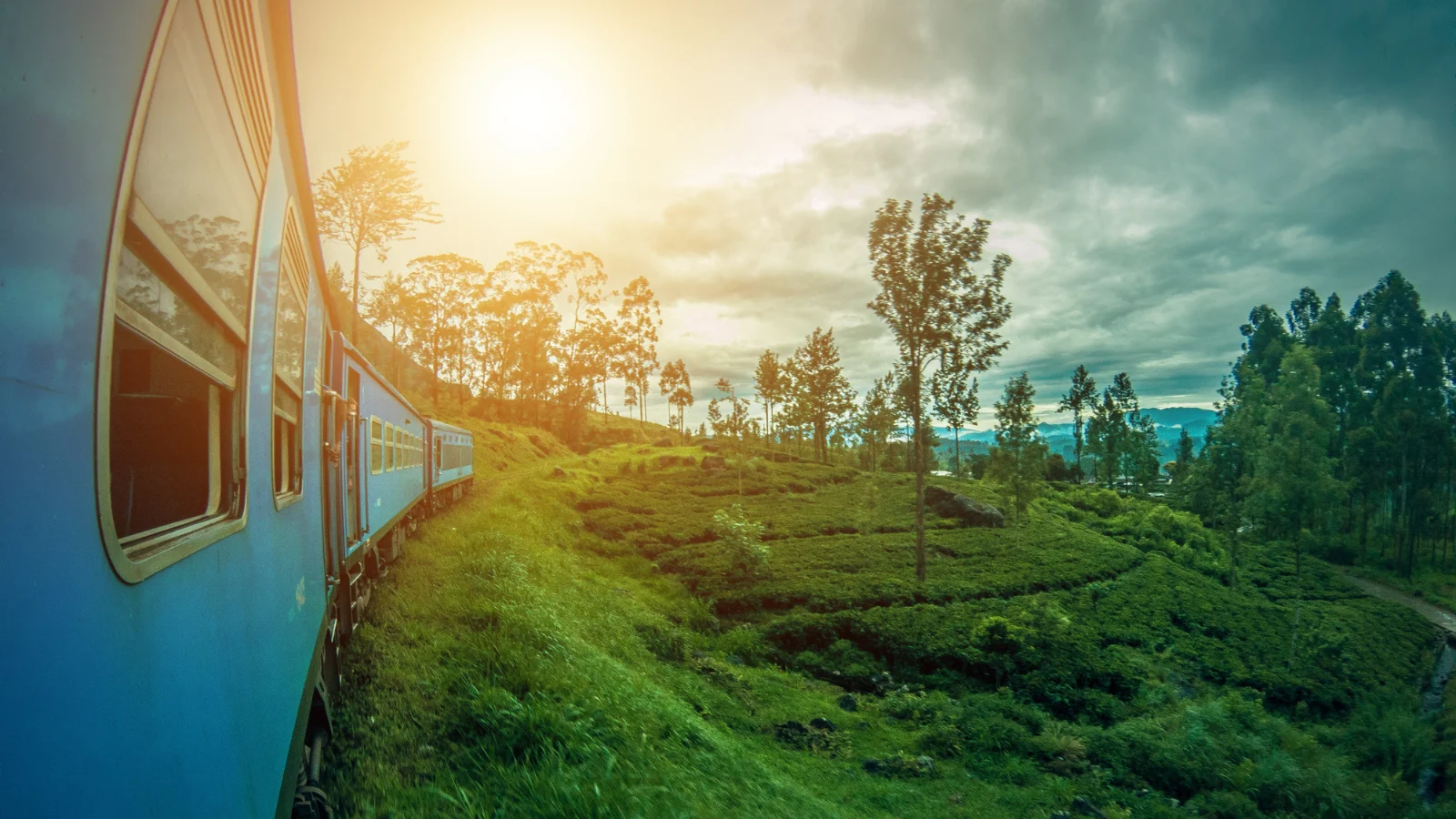
Historic cities, Buddhist heritage, tea country, wildlife, national parks, Ayurveda and wellness, adventure activities and rural landscapes provide opportunities to spread tourism spending across different regions and visitor segments.
A stronger focus on regional tourism
The World Bank’s wider Sri Lanka strategy also highlights the need to support lagging regions, particularly the Northern and Eastern provinces.
The 2026–2030 Country Partnership Framework combines tourism investment with initiatives designed to attract private capital, improve infrastructure and create opportunities for women and young people.
For tourism, this could help shift some economic activity away from the country’s established visitor centres and towards destinations that remain less developed internationally.
Greater geographic diversification could also make Sri Lanka’s tourism economy more resilient by reducing dependence on a relatively small number of established destinations.
Tourism remains a vital economic engine
Sri Lanka Tourism Development Authority describes tourism as the country’s second-highest foreign-exchange earner, while highlighting the industry’s resilience despite the Easter attacks, the COVID-19 pandemic, the economic crisis and the more recent Ditwah disaster.
The authority is also promoting Sri Lanka as a 365-day destination, with efforts focused on improving connectivity, diversifying experiences and strengthening international marketing.
That diversification is increasingly important as the country seeks to attract visitors interested not simply in conventional beach holidays but in experiences that can command higher spending and generate benefits across a wider network of local businesses.
Climate resilience becomes increasingly important
The strategy is unfolding against a challenging environmental backdrop.
Sri Lanka’s tourism economy is heavily dependent on natural assets, making climate resilience increasingly important to the long-term viability of the sector. The World Bank’s current country framework explicitly includes resilience to future shocks, while its tourism programmes emphasise protecting natural and cultural assets.
The issue is particularly timely. In September 2026, authorities temporarily restricted tourist access to core areas of Yala National Park because of severe drought and water shortages affecting wildlife. The situation highlights the delicate relationship between tourism demand, conservation and climate conditions.
For Sri Lanka, the next phase of tourism development will therefore involve more than attracting visitors. It will require investment in destinations and infrastructure that can withstand environmental pressures while preserving the assets that make the island attractive in the first place.
Building a higher-value tourism future
Sri Lanka’s partnership with the World Bank signals a broader ambition: to move tourism towards greater value, stronger local economic participation and more sustainable growth.
The US$200 million tourism component sits alongside wider World Bank initiatives covering infrastructure, energy, agriculture and private-sector development. The overall objective is to help Sri Lanka transition from economic recovery towards a more competitive and resilient growth model.
For the travel industry, the direction of travel is clear. Sri Lanka is looking to compete not simply on affordability or visitor volumes, but on the quality and diversity of experiences it can offer.
If that strategy succeeds, the island’s next tourism chapter could be defined less by how many people arrive and more by how much value each visitor creates for the destination, its communities and its protected natural and cultural heritage.