

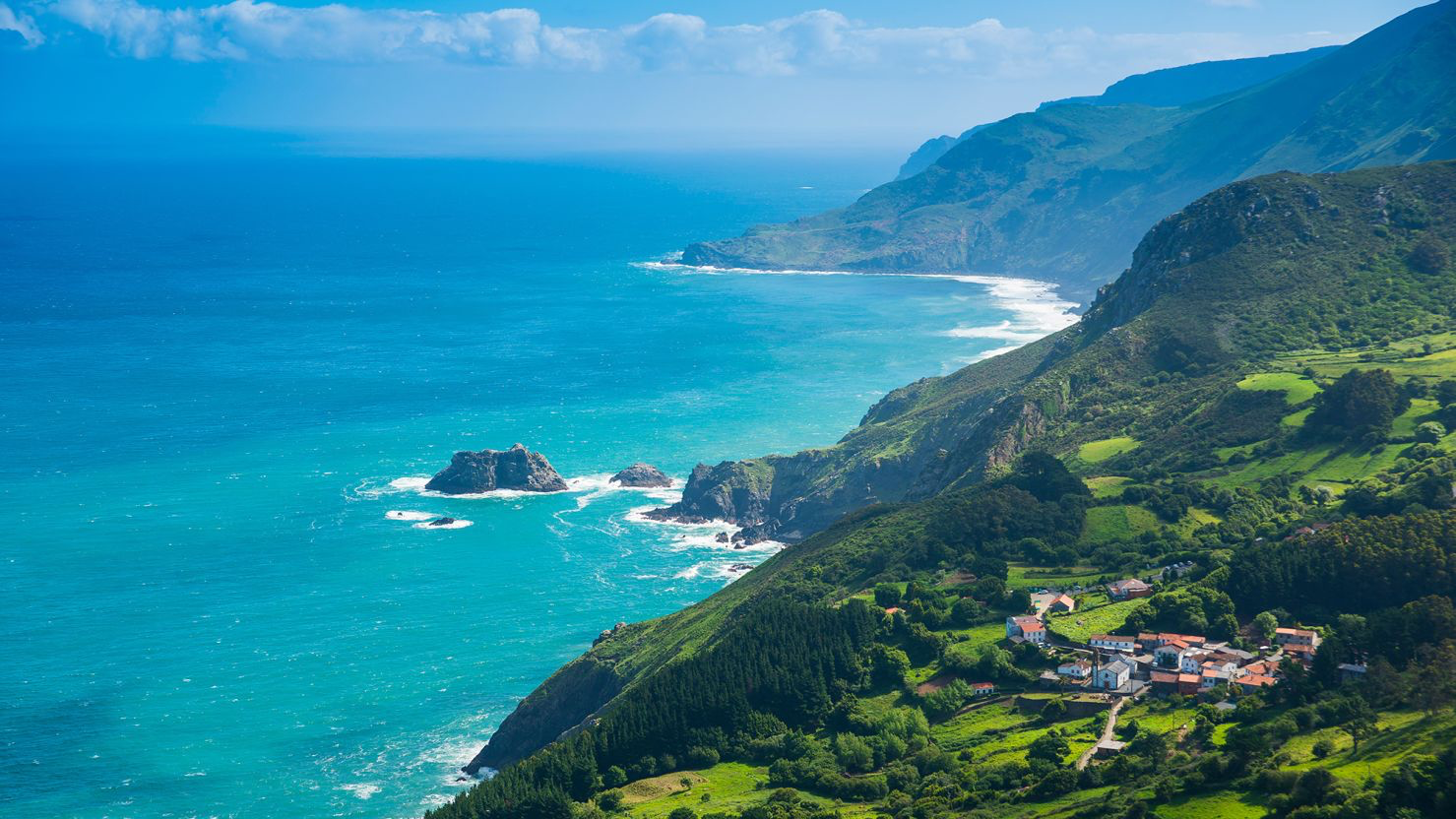
From year-round sunshine and celebrated cuisine to vibrant festivals, historic landmarks and diverse landscapes, Spain offers travellers a wide range of experiences across its regions.
Spain’s appeal lies in its diversity. Whether visitors are seeking a beach escape, a cultural city break, an active outdoor holiday or a restorative wellness retreat, the country offers experiences to suit a broad range of interests, travel styles and budgets.




Spain’s official tourism website highlights 10 defining features that help make the destination attractive to international visitors.
- A climate made for outdoor exploration
With close to 3,000 hours of sunshine a year in some areas, Spain offers plenty of opportunities to enjoy the outdoors. The Mediterranean climate shapes much of the country, while the Canary Islands enjoy mild conditions throughout the year. The Costa del Sol in Málaga and Las Palmas de Gran Canaria are highlighted for their average annual temperatures of around 20.7°C.
From coastal walks and alfresco dining to sightseeing and outdoor sports, the weather is a major part of Spain’s appeal.
- A celebrated food and wine culture
Spanish gastronomy is a central part of the travel experience. Tapas, Iberian cured ham, paella, traditional stews and regional wines offer visitors an introduction to the country’s culinary heritage.
The experience changes from region to region: travellers can explore the lively food streets of Logroño, enjoy seafood in Galicia’s Rías Baixas or sample seasonal calçots in Catalonia. Across Spain, local markets, restaurants and beachside eateries provide opportunities to discover regional ingredients and traditions.
- Festivals that bring cities to life
Spain’s calendar is filled with festivals that showcase its music, customs and community spirit. Among the best-known celebrations are Carnival in Tenerife, Holy Week in Seville, Las Fallas in Valencia and the San Fermín festival in Pamplona.
These events offer visitors a way to experience local traditions and public celebrations first-hand. As dates and programmes vary, travellers should check official tourism and event websites when planning a trip around a particular festival.
- A rich cultural and historical legacy
Spain’s history reflects the influence of numerous civilisations, including the Phoenicians, Romans, Celts and Moors. Their legacies can be found in architecture, archaeological sites, museums and living cultural traditions throughout the country.
Highlights include the prehistoric cave art of Altamira in Cantabria, the Alhambra in Granada and Valencia’s City of Arts and Sciences. Visitors can also explore Spain’s artistic heritage through flamenco and destinations associated with artists such as Pablo Picasso.
- Landscapes ranging from deserts to dramatic coastlines
Spain’s varied geography offers striking contrasts, from mountain ranges and rugged coastlines to unusual rock formations and semi-arid landscapes. Travellers can explore the desert scenery of Almería, admire the geological formations of Las Médulas in León or visit the dramatic cliffs and beach at As Catedrais, near Ribadeo in Galicia.
These landscapes create opportunities for photography, walking, nature-based travel and quieter escapes beyond the country’s major cities.
- A welcoming approach to visitors
Hospitality is an important part of Spain’s tourism identity. Visitors can experience it through local food traditions, neighbourhood cafés, family-run businesses and community celebrations.
For many travellers, these everyday encounters help make a destination memorable, offering opportunities to connect with local life as well as its major attractions.
- Shopping across styles and budgets
Madrid and Barcelona are leading destinations for shopping, combining international brands and contemporary fashion with independent designers, vintage stores, boutiques and traditional markets.
Whether looking for luxury labels, locally made products or distinctive souvenirs, visitors can find a wide range of retail experiences. Travellers planning dedicated shopping trips can also explore the cities’ different commercial districts and markets.
- Active holidays and adventure sports
Spain offers extensive opportunities for active travel, including hiking, cycling, horse riding and adventure sports. Its varied terrain allows visitors to choose between coastal routes, mountain trails and countryside itineraries.
The country also hosts sporting events throughout the year, including marathons. Weather and trail conditions vary by region and season, so visitors should select activities and routes appropriate to their experience and the time of year.
- Wellness and relaxation
Wellness tourism provides another way to experience Spain. Visitors can choose from spa facilities, thermal bathing, health and beauty treatments, and wellness experiences in coastal and urban destinations.
The official tourism website points to more than 60 spas across the country, giving travellers options for combining relaxation with cultural sightseeing, nature or a longer restorative stay.
- A destination defined by contrasts
Spain’s diversity is one of its strongest tourism assets. Visitors can combine beaches with historic cities, outdoor activities with gastronomy, or lively festivals with time in quieter rural areas.
With experiences spanning different regions, interests and price points, Spain lends itself to a range of itineraries—from short city breaks to extended journeys that reveal the country’s varied landscapes, cultures and traditions.