
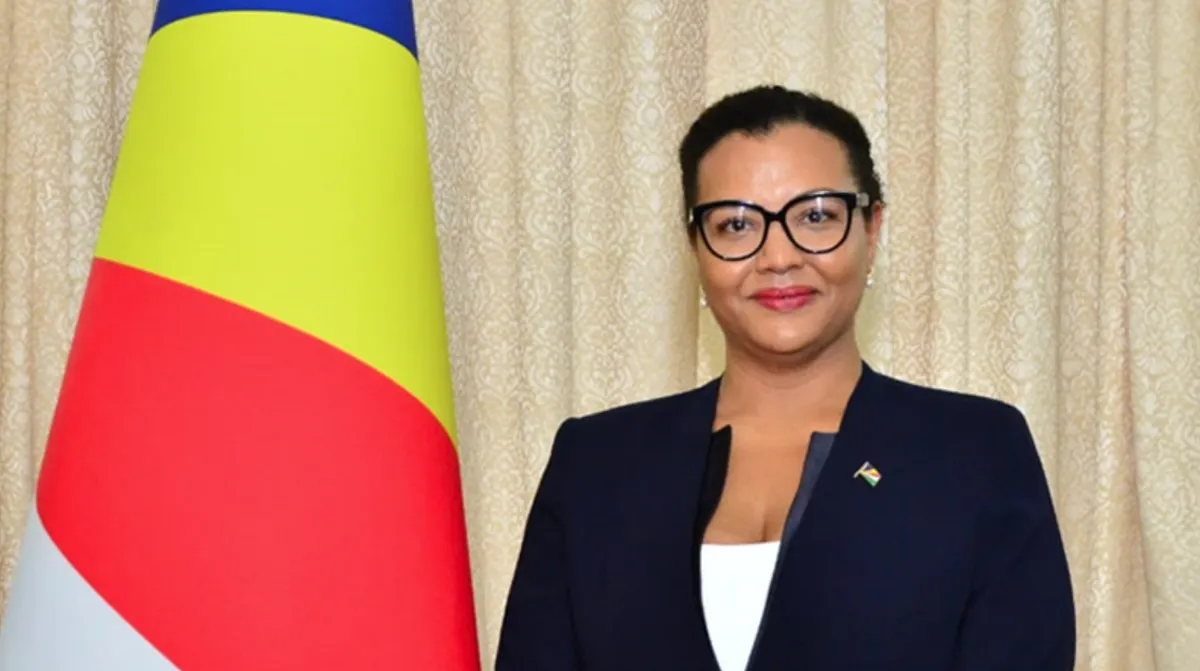
Minister Amanda Bernstein unveils a forward-looking model prioritising environmental protection, cultural richness and a resilient visitor economy.
Seychelles is entering a new phase of tourism development defined by sustainability, cultural depth and responsible growth. Under the leadership of Minister of Tourism and Culture Amanda Bernstein, the island nation is shaping a comprehensive strategy designed to preserve its fragile ecosystems, elevate Creole heritage and ensure tourism continues to drive broad-based economic prosperity.
For Seychelles—where tourism remains a cornerstone of national income—the challenge is to refine an already successful industry into one that is future-ready, environmentally protected and culturally enriched. Bernstein’s vision positions sustainability not as an aspiration, but as the essential foundation of long-term destination competitiveness.
A Tourism Strategy Rooted in Environmental Stewardship
At the heart of Seychelles’ new tourism direction lies a firm commitment to environmental preservation. As one of the world’s most biodiverse island nations, Seychelles has long understood the importance of safeguarding its ecosystems—from coral reefs and marine reserves to endemic wildlife and tropical forests.
Bernstein highlights that environmental protection is deeply interwoven with national identity. Many Seychellois grow up learning about conservation as a cultural norm rather than a policy directive. This intrinsic relationship with nature is now informing a structured approach to tourism management, where the health of the environment is treated as a critical economic asset.
The ministry’s strategy focuses on sustainable value creation rather than rapid expansion, prioritising the quality of visitor experiences and the long-term well-being of communities.
Managing Over-Tourism Through Strategic Growth
Over-tourism has become a growing concern for island destinations worldwide, and Seychelles is no exception. With limited landmass and strong global appeal, careful management is vital to avoid environmental strain and ensure a high standard of living for residents.
In response, Seychelles is developing a long-term capacity and growth model that evaluates visitor numbers, infrastructure readiness, and environmental impact. A nationwide consultation effort now brings together local communities, conservation bodies, tourism operators and public-sector stakeholders to build consensus around responsible tourism practices.
Eco-tourism is set to play a larger role in the future, complementing conservation efforts and promoting visitor experiences that are both authentic and sustainable.
Showcasing Creole Culture as a Defining Tourism Strength
While Seychelles’ iconic beaches remain global favourites, the nation aims to enrich its tourism identity by placing Creole culture at the forefront. Bernstein underscores the importance of showcasing the islands’ living heritage—its music, cuisine, crafts, customs and community-led experiences—as a core pillar of destination branding.
By broadening the visitor narrative beyond the natural landscape, Seychelles seeks to strengthen its distinctiveness in a competitive global tourism market. Investments in cultural events, heritage conservation and creative industries aim to ensure that cultural experiences become as compelling as the archipelago’s natural beauty.
“Tourism must reflect who we are,” Bernstein has said, highlighting that cultural vibrancy is a powerful complement to environmental purity.
Strengthening International Partnerships and Data-Driven Tourism Management
Seychelles’ evolving tourism strategy places significant emphasis on international cooperation. Partnerships with regional and global bodies help strengthen resilience, drive innovation and enhance policy-making capabilities.
One area of focus is improving the quality of national tourism data. Better metrics and insight generation will support smarter decision-making, enabling policymakers and businesses to anticipate global trends, respond to vulnerabilities and plan for long-term sustainability.
Enhanced data capabilities are expected to help Seychelles remain agile in an industry shaped by shifting traveller expectations, climate considerations and increasingly digital visitor journeys.
Preparing a Future-Ready Workforce
As global tourism rapidly transforms—driven by digital innovation, automation and evolving traveller behaviour—Seychelles is prioritising skills development to remain competitive. The integration of artificial intelligence, digital tools and smart tourism platforms is becoming more prominent worldwide, and Seychelles aims to ensure its workforce is prepared.
Investment in education, vocational training and digital literacy will help equip young Seychellois with the expertise required to navigate a modern tourism economy. Youth empowerment and leadership development are central to this strategy, aligning long-term workforce needs with national development goals.
Balancing Growth, Community Wellbeing and Destination Integrity
As Seychelles advances its tourism vision, the guiding principle remains clear: growth must be balanced with responsibility. The archipelago’s long-term prosperity depends on maintaining the delicate equilibrium between development and conservation, global visibility and local authenticity, innovation and tradition.
Bernstein’s approach is built on four pillars—environmental stewardship, cultural enrichment, community engagement and international cooperation. Together, these elements form the framework for a resilient and future-oriented tourism sector.
For Seychelles, sustainable tourism is not merely an option—it is the nation’s most viable pathway to preserving its natural treasures, uplifting its communities and securing a thriving, competitive destination for generations to come.