

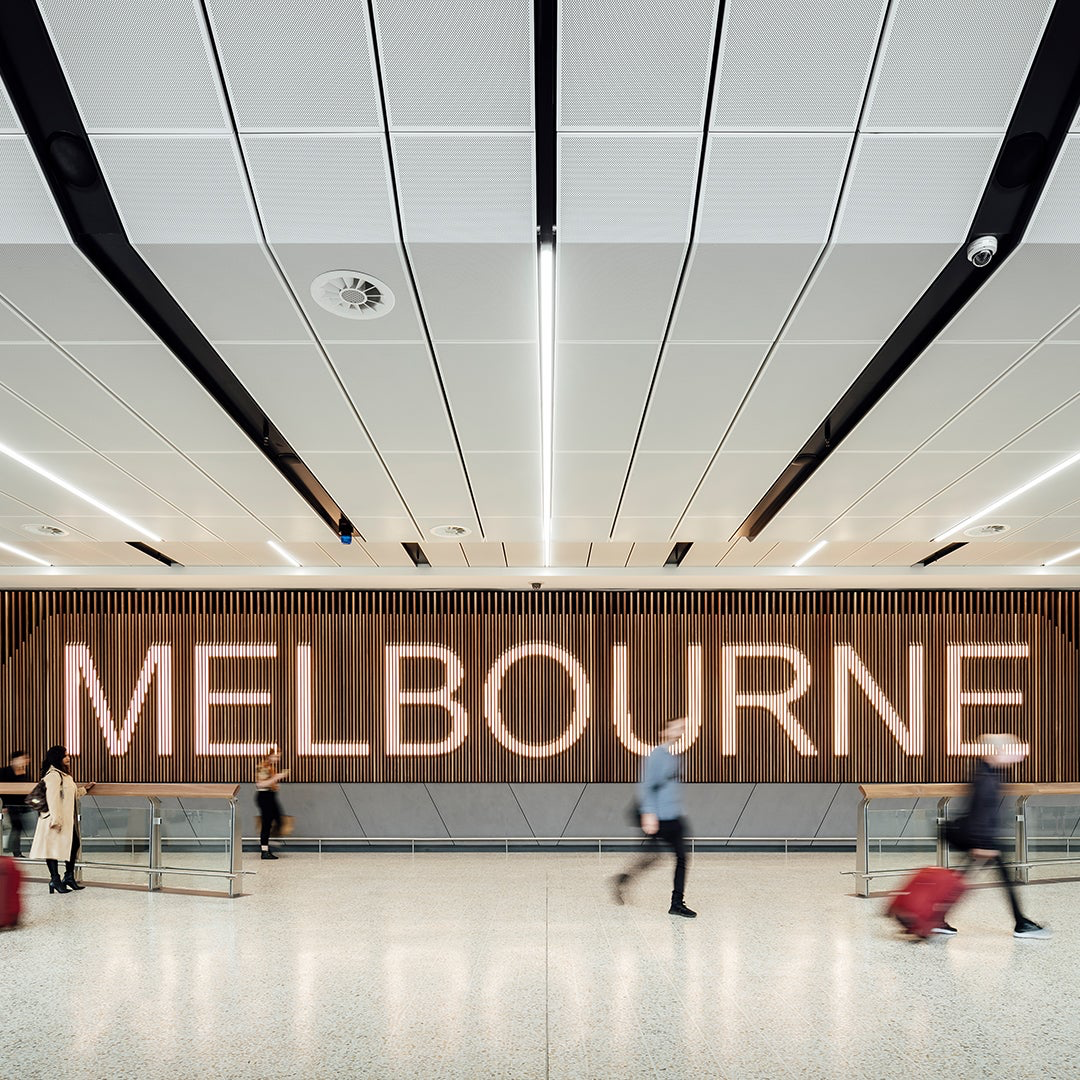
Melbourne Airport has unveiled plans for a landmark $4.5 billion expansion of its international terminal, in a major infrastructure push designed to accommodate surging passenger demand and strengthen Australia’s busiest 24-hour aviation gateway.
The announcement follows a record-breaking summer season, with the airport processing more than 1.26 million international passengers in January alone—its highest monthly figure on record. The expansion forms part of a long-term strategy to future-proof capacity across terminals and airfield operations amid sustained growth in inbound and outbound travel.
Major uplift in international capacity
At the core of the development is the addition of five new gates to the existing international pier, significantly increasing operational flexibility for airlines and enabling expanded services to new and existing destinations. The project also includes five additional aircraft parking stands, capable of accommodating either five widebody aircraft or up to eight narrowbody aircraft simultaneously.
The terminal expansion will be delivered in phases over several years, with construction taking place within a fully operational 24-hour airport environment. The privately funded programme will progressively extend the international terminal footprint into the current forecourt area, enabled by the opening of new pick-up and drop-off zones within the T123 Transport Hub, scheduled for September 2026.
End-to-end terminal transformation
The redevelopment encompasses a comprehensive upgrade of the international passenger experience. Key elements include a significantly expanded check-in hall, advanced common-user baggage handling systems, additional baggage carousels, and enlarged border processing areas designed to improve passenger flow on arrival.
Passenger-facing enhancements will include expanded waiting lounges, upgraded airline lounge facilities, increased retail offerings, and a larger dedicated area for meeters and greeters, reflecting growing volumes of both leisure and visiting friends and relatives (VFR) traffic.
The redesign is intended to streamline end-to-end processing while supporting higher throughput across peak travel periods, particularly during seasonal demand surges.
Strategic investment in long-term growth
Melbourne Airport Chief Executive Officer Lorie Argus said the expansion reflects the scale of future demand expected across Victoria’s aviation sector, driven by population growth, tourism recovery, and expanding international connectivity.
She noted that the investment would enable airlines to increase flight frequencies and open new routes, improving choice for both passengers and exporters. She also emphasised that the project was developed in close collaboration with airline partners to ensure alignment with operational requirements and evolving passenger expectations.
Argus further highlighted that infrastructure development alone would not be sufficient to fully optimise passenger flow, calling for continued coordination with government agencies on border processing technology and facilities to enhance the arrivals experience.
She added that even a single additional daily international flight contributes significantly to the Victorian economy, reinforcing the wider economic impact of aviation capacity expansion on jobs and trade.
Government support and operational readiness
Welcoming the announcement, Hon. Julian Hill MP, Assistant Minister for Citizenship, Customs and Multicultural Affairs, described airports as critical national infrastructure that support connectivity, commerce, and international engagement.
He noted that rising demand for both domestic and international travel through Melbourne Airport underscores the importance of timely infrastructure upgrades, adding that improvements to passenger movement and processing systems would benefit both travellers and border agencies.
The Australian Border Force is expected to continue working closely with industry stakeholders to enhance operational efficiency and ensure airports remain fit for future demand growth.
Phased development aligned with broader infrastructure programme
Preliminary works on the first phase of the terminal expansion are expected to commence following the completion of Melbourne Airport’s new road network in September 2026. The staged approach will allow construction to proceed without disrupting ongoing airport operations.
Once completed, the expanded international terminal will operate alongside Melbourne Airport’s broader capacity enhancement programme, including the development of a third runway scheduled to open in 2031. Together, these projects are expected to significantly increase the airport’s ability to handle growing passenger volumes and support long-term aviation and tourism growth across the region.