Phased increase will take the levy to USD 15 in 2027 and USD 21 in 2028, raising costs for cruise calls at major Mexican ports
Mexico has doubled the tax levied on international cruise passengers from USD 5 to USD 10 per passenger, as part of a multi-year plan to increase revenue generated from cruise tourism.
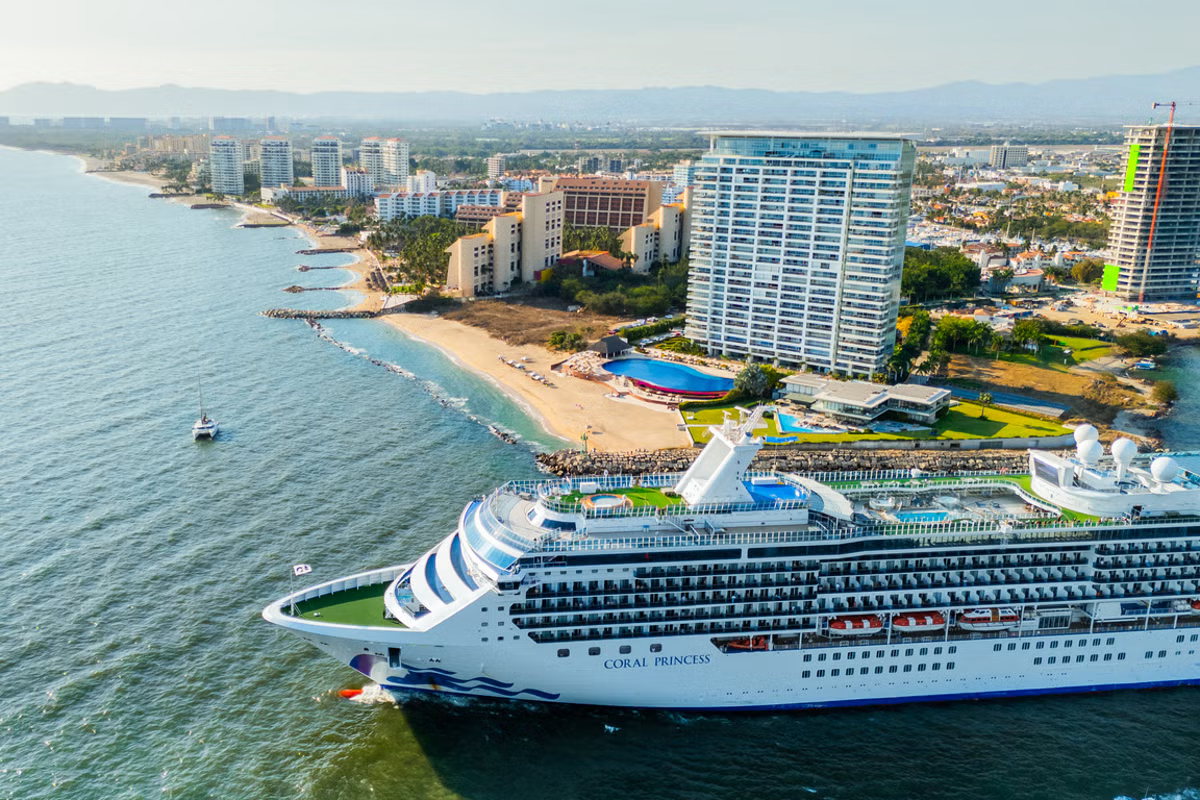
The higher charge applies to cruise passengers arriving at Mexican destinations including Cabo San Lucas, Puerto Vallarta, Cozumel and Costa Maya. Cruise lines or their shipping agents are responsible for collecting the levy.
The increase is the latest step in a phased schedule that will see the tax rise further over the coming years. The charge is scheduled to increase to USD 15 from July 1, 2027, before reaching USD 21 from August 1, 2028. Under the current schedule, the USD 21 rate will remain in place through September 30, 2030.
The Mexican government had initially proposed raising the cruise passenger tax to as much as USD 42, but reduced the planned ceiling following strong opposition from cruise operators and the wider tourism industry.
Cruise tourism continues to expand
The tax changes come as Mexico remains one of the leading cruise destinations in the Americas. Cruise activity has continued to recover and expand globally, with the international cruise industry reaching a record 37.2 million passengers in 2025, according to the Cruise Lines International Association’s 2026 State of the Global Cruise Industry report.
Mexico’s Pacific and Caribbean ports are an important component of the country’s cruise offering, with itineraries covering destinations such as Baja California, the Mexican Riviera and the Caribbean coast.
Cabo San Lucas, Puerto Vallarta and other Mexican ports benefit from passenger spending on excursions, food and beverage, shopping and entertainment. CLIA estimates that cruise travellers contribute significantly to local economies through spending in sectors including retail, food and beverage, arts and entertainment.
Industry impact remains a concern
The phased tax increase is intended to generate additional public revenue from cruise tourism and support destinations receiving cruise visitors. However, the higher cost has raised concerns within the cruise industry about Mexico’s competitiveness compared with other cruise destinations.
The impact is particularly relevant as cruise lines continue to expand capacity and develop new itineraries across the Caribbean, Mexico and the wider Pacific coast.
Mexico is already part of a rapidly expanding regional cruise market. CLIA’s latest data shows that cruise passenger volumes to Hawaii and the North American West Coast, Mexico and California/Pacific Coast reached approximately 1.79 million in 2025, up 13.8% from the previous year.
For passengers, the latest increase means that the tax component of a Mexican cruise call will be higher immediately, with further increases already scheduled. The USD 21 rate planned for 2028 would be more than four times the original USD 5 charge introduced in July 2025.
With Mexico continuing to attract significant cruise capacity, the government will need to balance the additional revenue generated by the levy against the potential effect of higher costs on cruise operators, passengers and port destinations.