
Rajahmundry, officially known as Rajamahendravaram, brings together the Godavari River, centuries of literary and cultural heritage, historic engineering landmarks and the lush landscapes of eastern Andhra Pradesh. Here is a guide to the city’s most rewarding attractions and nearby escapes.
Rajahmundry is a city where the Godavari is more than a geographical landmark—it is central to the region’s history, culture and identity. Official district records describe Rajamahendravaram as an ancient city with more than a thousand years of history and recognise its long-standing reputation as a cultural centre of Andhra Pradesh.
Located on the banks of the Godavari, the city makes an appealing base for travellers interested in heritage, religious tourism, river experiences and nature. Beyond the urban landscape lie the gardens and nurseries of Kadiyam, the forests around Maredumilli and the dramatic scenery of Papikondalu.
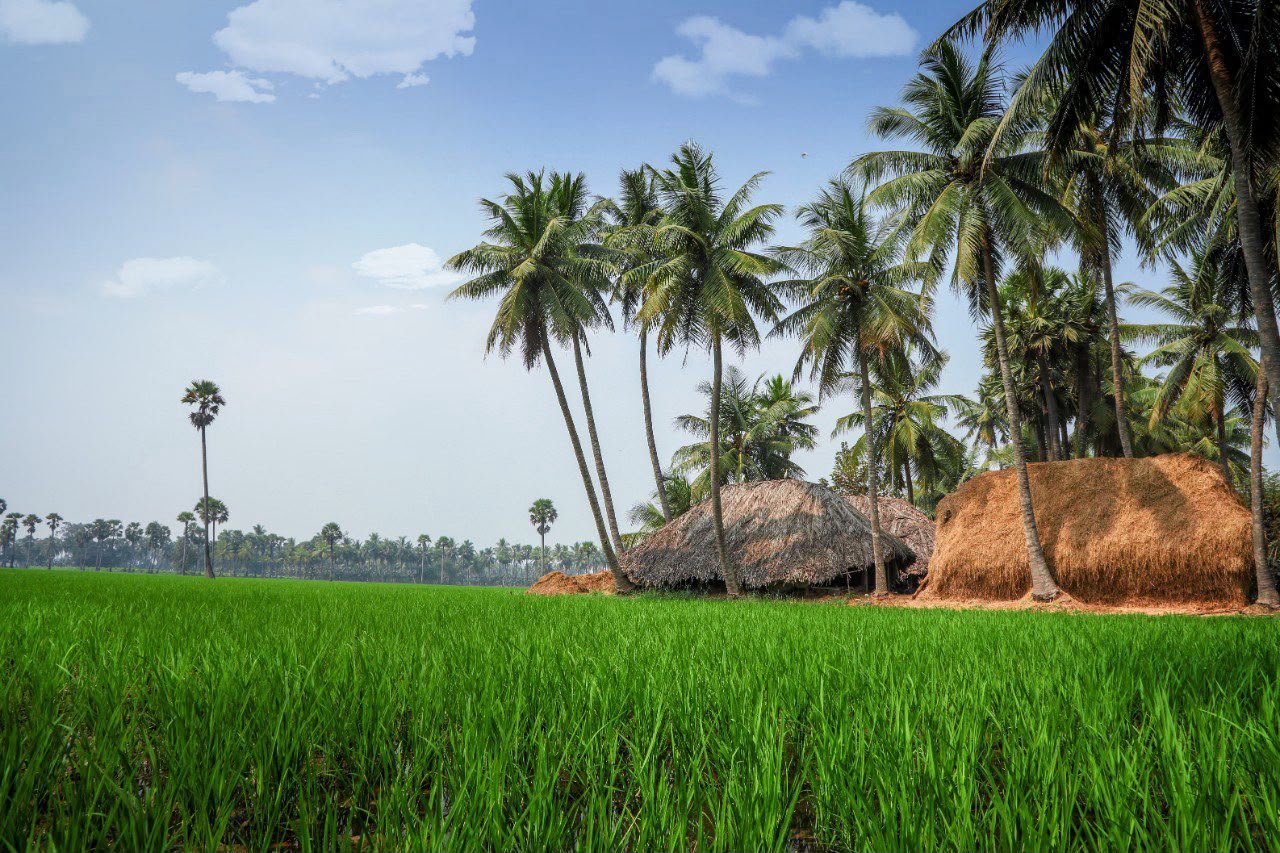
Why Rajahmundry deserves a place on your Andhra Pradesh itinerary
Rajamahendravaram has deep literary and cultural connections. The district administration highlights its association with Adi Kavi Nannayya, regarded as the first poet of Telugu, as well as social reformer Kandukuri Veeresalingam. The Godavari itself has inspired generations of writers, artists and filmmakers.
Today, the city combines this heritage with a distinctly riverfront character. A leisurely day can take in historic bridges, ghats, museums and temples, while excursions outside the city open the door to forests, nurseries and river cruises.
Pushkar Ghat: Experience the Godavari at its most atmospheric
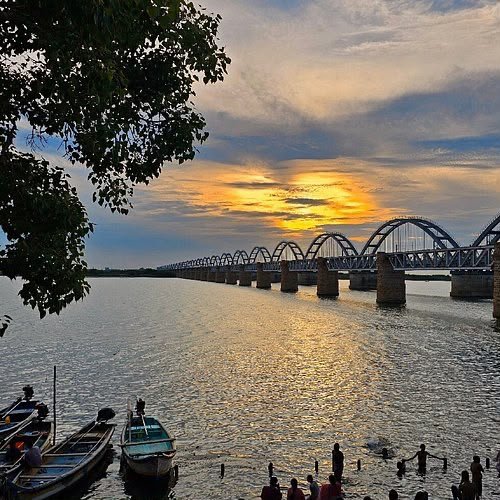
Pushkar Ghat is one of the best-known riverfront spaces in Rajamahendravaram. The Godavari forms the backdrop for religious ceremonies and seasonal festivities, while the surrounding riverfront provides an opportunity to experience the city’s relationship with the water.
The Godavari Pushkaram, a major religious festival associated with the river, is held once every 12 years and draws pilgrims from across India and beyond.
For visitors, the riverfront is particularly atmospheric around sunrise and sunset. Travellers should follow local safety guidance and use only designated areas when approaching or entering the river.
Godavari bridges: Engineering landmarks over a legendary river
Rajahmundry’s bridges are among its most recognisable sights. The city has several major crossings over the Godavari, reflecting different eras of railway, road and bridge engineering.
The Godavari Arch Bridge, also known as the Kovvur–Rajahmundry Bridge, was constructed between 1991 and 1997 and became operational for trains in 2003. The East Godavari district administration describes it as the latest of the three major bridges spanning the river at Rajahmundry.
The older road-cum-rail bridge is another important part of the city’s engineering heritage and has long been one of the defining views along the Godavari.
Papikondalu: A spectacular Godavari journey
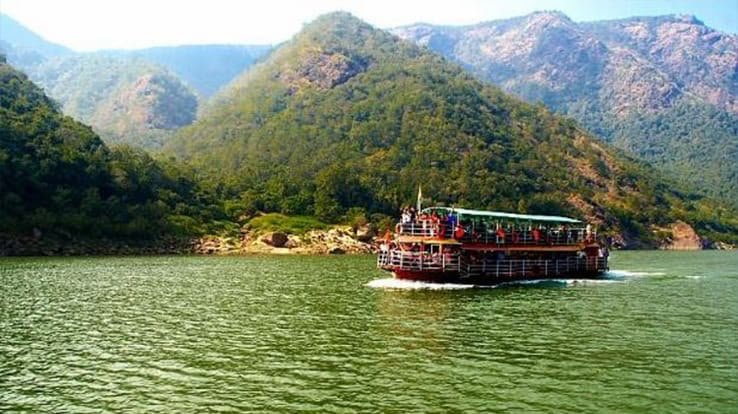
For travellers with more time, a trip towards Papikondalu, or the Papi Hills, offers one of the region’s most memorable experiences.
The hills form part of the Eastern Ghats and rise along the Godavari, where the river winds through densely forested landscapes. Andhra Pradesh Tourism describes a cruise through Papikondalu as a major scenic experience, with forested hills, river views and small settlements forming part of the journey.
The East Godavari district administration also lists Papikondalu among the region’s cultural-tourism experiences and provides information on organised boating routes.
Travel note: River-cruise schedules and operating conditions can change according to weather, river levels and local regulations. Check with the authorised operator or local tourism authorities before travelling.
Maredumilli: Into the forests of eastern Andhra Pradesh
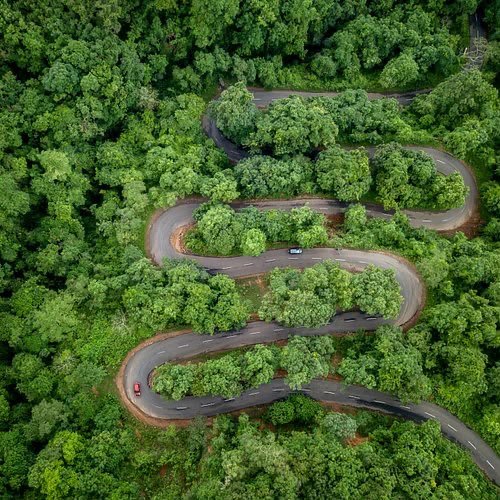
Nature lovers can extend their Rajahmundry journey to Maredumilli, a forested destination known for its greenery, streams and waterfalls.
The destination is particularly suited to travellers looking for a contrast to the city’s riverfront and heritage attractions. The Airports Authority of India currently lists Maredumilli among the tourist places associated with Rajahmundry Airport, reflecting its importance as a regional nature attraction.
Allow enough time for the excursion rather than attempting to rush through the area as a quick stop.
Kadiyam: Where Rajahmundry’s garden culture comes alive
One of the most distinctive experiences near Rajahmundry is a visit to the nursery belt around Kadiyam.
The East Godavari district administration identifies Kadiyam as a major nursery centre, with extensive cultivation of ornamental plants, flowers and fruit varieties. The official district tourism page places Kadiyam about 20 kilometres from Rajahmundry, while another district profile describes the nursery landscape as extending across thousands of acres.
For travellers interested in horticulture, photography or simply a slower-paced experience, the nurseries provide a colourful alternative to conventional sightseeing.
Rallabandi Subbarao Archaeological Museum
Rajahmundry’s cultural story is also preserved in its museums.
The Rallabandi Subbarao Archaeological Museum is among the city’s heritage attractions and is specifically highlighted by the East Godavari district administration. The museum forms part of the city’s wider cultural landscape along with the Damerla Rama Rao Art Gallery and the Sri Gowthami Regional Library.
A visit here can add historical context to a trip that otherwise focuses heavily on the river and outdoor attractions.
Sir Arthur Cotton Museum and Dowleswaram Barrage
Rajahmundry’s story is inseparable from the transformation of the Godavari into one of southern India’s important irrigation systems.
At nearby Dowleswaram, the Sir Arthur Cotton Museum explains the engineering history behind the irrigation works associated with Sir Arthur Cotton. The museum was inaugurated in 1988 and contains models, machinery and exhibits explaining the construction and operation of the barrage and related irrigation works.
The district administration identifies the Dowleswaram Barrage, built under Cotton’s supervision in the mid-19th century, as an important engineering landmark.
For visitors interested in the intersection of engineering, agriculture and colonial-era history, this is one of the more unusual stops around Rajahmundry.
A city shaped by literature and reform
Rajahmundry’s appeal extends beyond conventional sightseeing.
The city played an important role in the development of Telugu literary culture and social reform. The district administration notes the city’s association with Nannayya and Kandukuri Veeresalingam, while also highlighting institutions such as the Sri Gowthami Regional Library and the Damerla Rama Rao Art Gallery.
That heritage gives Rajahmundry a different character from destinations that are primarily known for temples or landscapes. Here, the river, literature, art and social history are closely intertwined.
Best time to visit Rajahmundry
For sightseeing and outdoor excursions, October to March is generally a comfortable period to consider, particularly as temperatures are less intense than during the hotter months.
Travellers should nevertheless check the forecast before planning river cruises or forest excursions, as conditions can affect access and activities.
How to reach Rajahmundry
By air
Rajahmundry Airport (RJA) at Madhurapudi is located approximately 18 kilometres north of the city. The Airports Authority of India confirms that the airport serves Rajamahendravaram and currently publishes flight schedules and passenger information on its official website.
Flight schedules can change, so travellers should verify timings directly with the airline or AAI before departure.
By rail
Rajamahendravaram is an important railway location, with the railway line passing through the city. The East Godavari district administration lists both Rajahmundry and Godavari railway stations in the city.
By road
Rajamahendravaram is connected by road with major cities and towns across Andhra Pradesh. Its location also makes it a practical base for exploring nearby Godavari-region destinations.
What to know before you go
- Plan river activities carefully: Use authorised operators and follow local safety instructions.
- Respect religious customs: Dress appropriately when visiting temples and other sacred sites.
- Allow time for excursions: Papikondalu and Maredumilli are better experienced without a rushed schedule.
- Visit Kadiyam’s nurseries: The nursery belt offers a different perspective on the region’s horticultural economy and landscape.
- Check current timings: Museum, boating and attraction schedules can change.
- Carry sun protection and water: Daytime sightseeing can be demanding, particularly outside the cooler months.
The Rajahmundry experience
Rajahmundry is best approached not as a checklist of isolated attractions but as a destination shaped by the Godavari. The riverfront, historic bridges, irrigation works, literary heritage and surrounding forests all tell different chapters of the same story.
For travellers exploring Andhra Pradesh, Rajamahendravaram offers a compelling combination of culture, history, engineering, horticulture and nature—with the Godavari providing the thread that connects them all.
Attraction timings, transport schedules and boating operations should be reconfirmed before travel.