

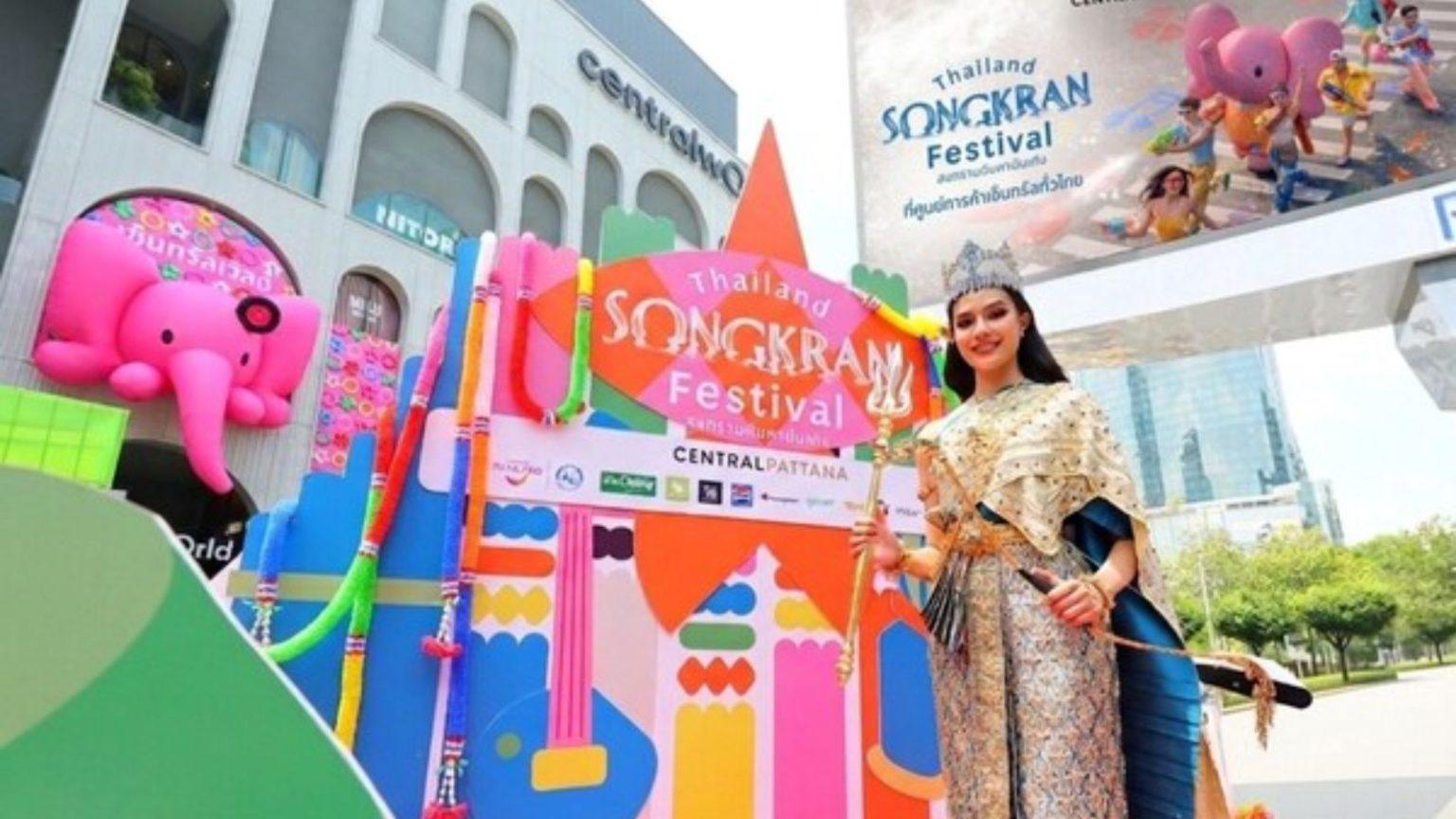
Thailand is elevating its most iconic cultural celebration to an unprecedented national scale, as Central Pattana unveils an ambitious expansion of the Songkran into a multi-destination, large-format tourism platform.
Positioned as the “World’s Biggest Songkran Festival,” the initiative signals a strategic shift in how Thailand leverages cultural heritage—not only as a seasonal attraction, but as a cornerstone of its long-term tourism and events economy.
A Nationwide Festival Footprint
The expanded programme will span 28 destinations across the country, transforming major tourism centres—including Bangkok, Chiang Mai, Phuket, Pattaya, and Ko Samui—into synchronised festival hubs.
Organisers project participation exceeding 10 million visitors, supported by a programme of more than 1,000 events and performances from over 400 artists. The scale reflects a deliberate effort to reposition Songkran from a decentralised celebration into a coordinated, high-impact national showcase.
At the core of this model is Central Pattana’s extensive network of retail and lifestyle destinations, which will serve as primary venues. By integrating cultural programming, entertainment, and commercial activity, these spaces are being redefined as multi-functional tourism assets—capable of hosting large-scale events while driving visitor engagement and economic activity.
Blending Heritage With Contemporary Appeal
A defining feature of the expanded festival is its hybrid format, combining traditional cultural expression with modern entertainment.
In collaboration with the Ministry of Culture, the programme will present a curated range of heritage performances and rituals. These include classical Khon, southern Thai Nora performances, traditional puppetry, and ceremonial water-pouring rites at revered Buddha images—elements that preserve the spiritual and cultural essence of Songkran.
Complementing these are contemporary features such as live music stages, large-scale water events, and entertainment showcases designed to appeal to both domestic and international audiences. The result is a multi-layered festival experience that balances authenticity with accessibility.
Adding a modern cultural dimension, the introduction of Opal Suchata Chuangsri as Thailand’s first “Miss Songkran” reflects an effort to create a recognisable cultural ambassador, enhancing the festival’s global visibility and branding potential.
Retail as a Tourism Platform
Central Pattana’s approach underscores a broader evolution in tourism infrastructure. Shopping centres are no longer positioned solely as retail environments, but as integrated lifestyle hubs capable of anchoring large-scale cultural and entertainment programming.
By activating its nationwide portfolio, the company is effectively decentralising tourism flows—distributing visitor activity across multiple regions while maintaining consistent quality and programming standards.
This model supports both economic resilience and destination diversification, encouraging travellers to explore beyond traditional hotspots while extending dwell time and spend within each location.
Toward a Year-Round Festival Economy
While Songkran remains the focal point, the initiative forms part of a wider strategy to develop a continuous calendar of events across the year.
Central Pattana’s long-term vision leverages its geographic reach to host seasonal festivals, cultural showcases, and entertainment programmes, positioning Thailand as a year-round destination for experiential travel.
This aligns with broader national tourism objectives, which increasingly emphasise value-driven experiences, cultural depth, and repeat visitation over volume alone.
Strategic Positioning on the Global Stage
The expansion of Songkran into a coordinated, nationwide platform reflects Thailand’s intent to compete with leading global festival destinations by scaling its cultural assets into internationally marketable experiences.
By combining heritage, entertainment, and infrastructure, the country is strengthening its positioning within the global tourism landscape—where demand is increasingly driven by immersive, event-led travel.
In this context, Songkran’s transformation is more than a festival upgrade. It represents a strategic recalibration—one that places culture and celebration at the centre of Thailand’s tourism growth model.