
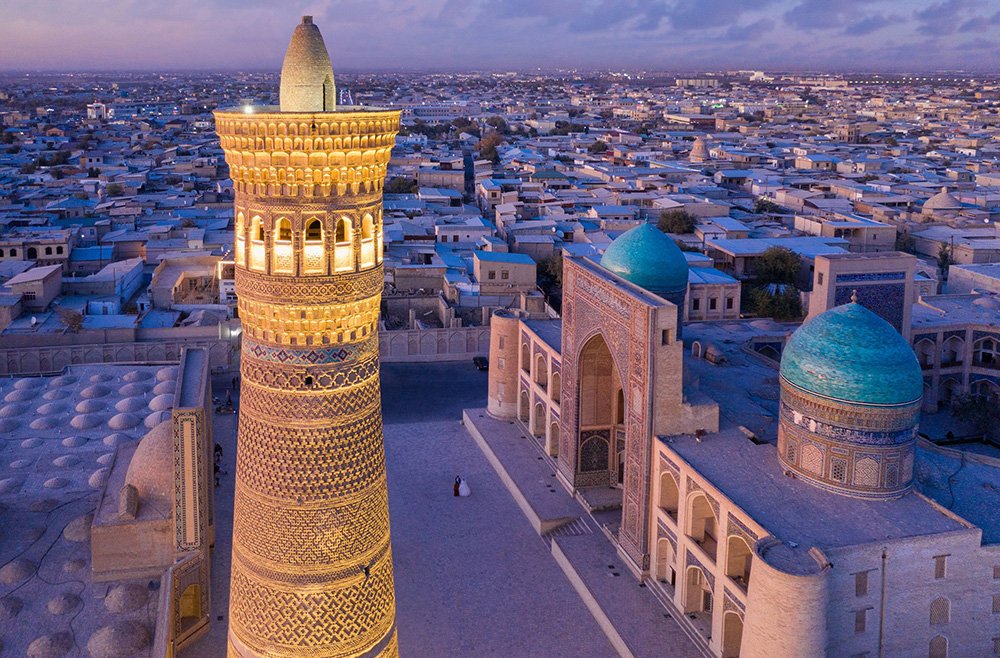
Uzbekistan is accelerating its tourism transformation with a wide-ranging infrastructure and investment strategy aimed at strengthening its position as a rising destination in Central Asia. According to an official statement from the Uzbekistan Tourism Committee, the country has introduced a structured development framework focused on project-based execution, regional infrastructure upgrades, and large-scale capacity expansion across the tourism sector.
The initiative forms part of a broader national effort to modernise tourism governance, improve operational efficiency, and significantly increase both domestic and international visitor flows over the coming years.
Strategic shift toward project-based tourism development
At the core of the new roadmap is a shift toward project-based management, designed to enhance delivery timelines, improve coordination, and ensure scalable execution of tourism initiatives across regions.
Authorities have emphasised that this approach is intended to streamline infrastructure development while strengthening accountability and investment outcomes across the sector. The model is expected to play a key role in supporting Uzbekistan’s long-term ambition of becoming a competitive global tourism destination.
2026–2027 roadmap targets 40,000 jobs and 31 tourism projects
Under its 2026–2027 development roadmap, Uzbekistan has set out ambitious socio-economic targets linked directly to tourism growth.
Key objectives include:
- Creation of 40,000 jobs, comprising 24,000 new employment opportunities and the formalisation of 16,000 existing roles
- Implementation of 31 tourism infrastructure and development projects using modern management systems
- Expansion of regional tourism ecosystems to improve accessibility and distribution of visitor flows
Officials stated that these measures are designed not only to boost employment but also to ensure more balanced regional development through tourism-led growth.
Major expansion in accommodation capacity
A significant pillar of the strategy is the expansion of accommodation infrastructure to support rising visitor demand.
By 2027, Uzbekistan plans to increase its hospitality capacity to:
- 8,250 accommodation facilities
- 95,000 total rooms
- Including 1,380 hotels
This expansion is expected to substantially enhance the country’s ability to host both international tourists and growing domestic travel demand, particularly as Uzbekistan continues to position itself along the historic Silk Road tourism circuit.
Incentives to attract international operators and investment
Starting September 1, 2026, Uzbekistan will introduce a series of incentive measures aimed at improving destination competitiveness and attracting international tourism partners.
Key policy initiatives include:
- Reimbursement of part of travel, accommodation, and meal costs for foreign tour operators invited to Uzbekistan
- Up to 25% compensation (capped at UZS 500 million) for international promotional campaigns conducted in overseas markets
- Partial government support for cultural and public events organised by private sector operators
These measures are designed to strengthen destination marketing, increase international visibility, and encourage deeper engagement from global travel trade stakeholders.
Strengthening cultural and experiential tourism offerings
Alongside infrastructure development, Uzbekistan is placing strong emphasis on cultural tourism and event-driven travel experiences. The government’s support for privately organised cultural and public events is expected to enhance the country’s appeal as a year-round destination.
This aligns with Uzbekistan’s broader strategy of leveraging its historic Silk Road heritage, UNESCO-listed sites, and evolving hospitality sector to attract high-value international travellers.
Building a competitive Central Asian tourism hub
The latest policy direction reflects Uzbekistan’s ambition to position itself as a leading tourism hub in Central Asia through coordinated investment, regulatory reform, and infrastructure expansion.
By combining large-scale accommodation development with targeted financial incentives and employment generation, the country is seeking to build a more structured and competitive tourism economy.
Industry observers note that the integration of modern project management practices into tourism planning marks a significant step toward improving execution efficiency and attracting sustained foreign investment.
Outlook: accelerated growth through structured reform
With 31 tourism projects planned and tens of thousands of jobs expected to be created by 2027, Uzbekistan is entering a new phase of tourism-led economic development.
The government’s focus on infrastructure scaling, international marketing support, and private sector participation signals a comprehensive effort to transform the country into a more accessible, investment-friendly, and globally connected destination.
As implementation progresses, the success of these initiatives will play a key role in shaping Uzbekistan’s long-term tourism competitiveness and its integration into global travel circuits.